Does My Farm Need a Website?
In today’s digital age, having a website is often considered essential for businesses of all kinds. But does your farm really need one? The answer depends on your farm’s sales channels and goals. Whether you sell wholesale, at farmers’ markets, or directly to customers through a farm store, a website can be a valuable tool—or an unnecessary expense. Let’s explore when a website is beneficial and how it can help you grow your farm business.
1. Assessing Your Farm’s Sales Channels
Before diving into the world of website design, it’s important to assess where and how you sell your products.
• Wholesale Sales: If your primary sales channels are wholesale—selling in bulk to distributors, restaurants, or grocery stores—a website might be less critical. In this case, your relationships and the quality of your products often speak louder than an online presence. A basic site might still be useful for showcasing your farm, but it’s unlikely to be a significant driver of sales.
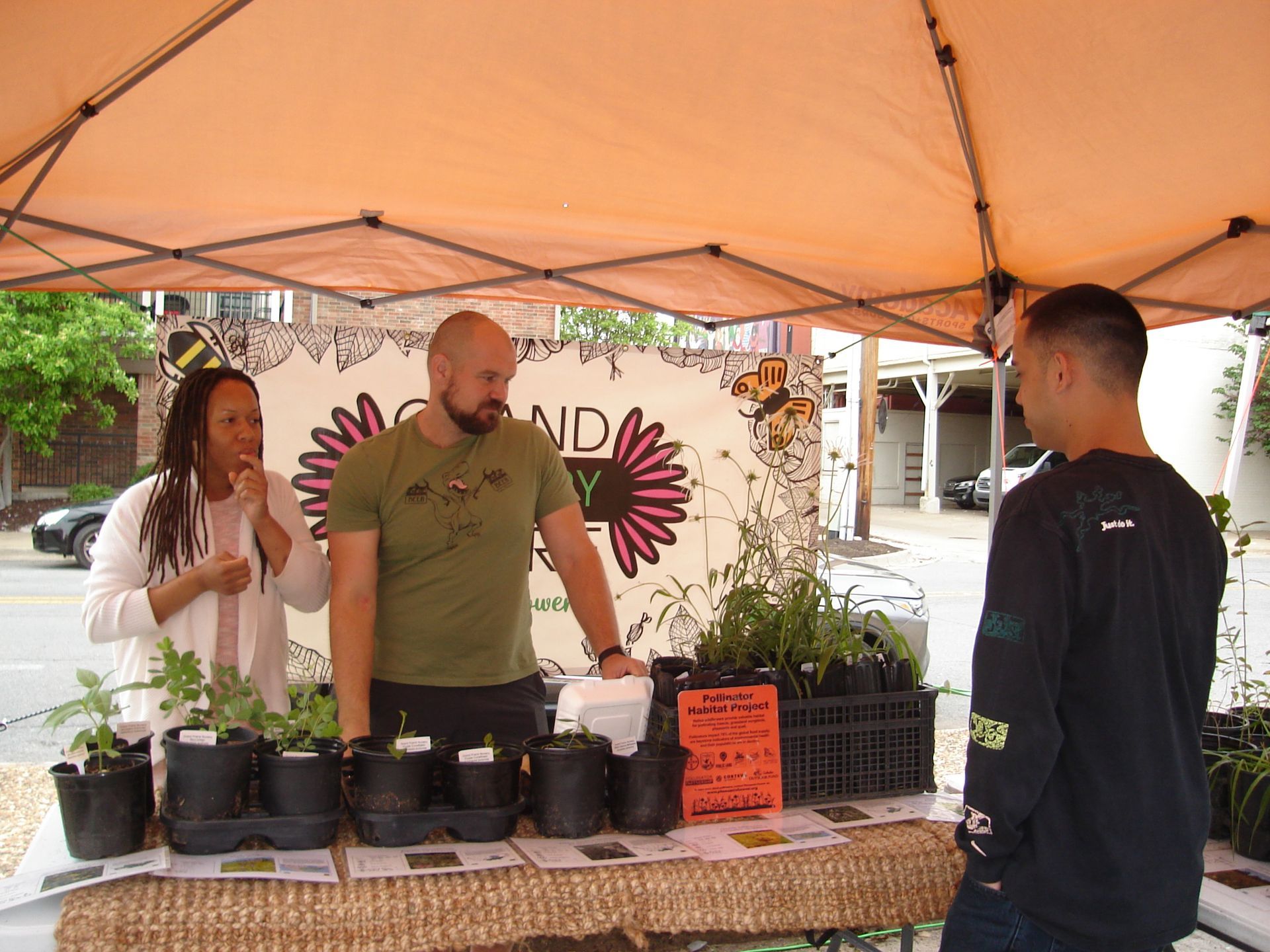
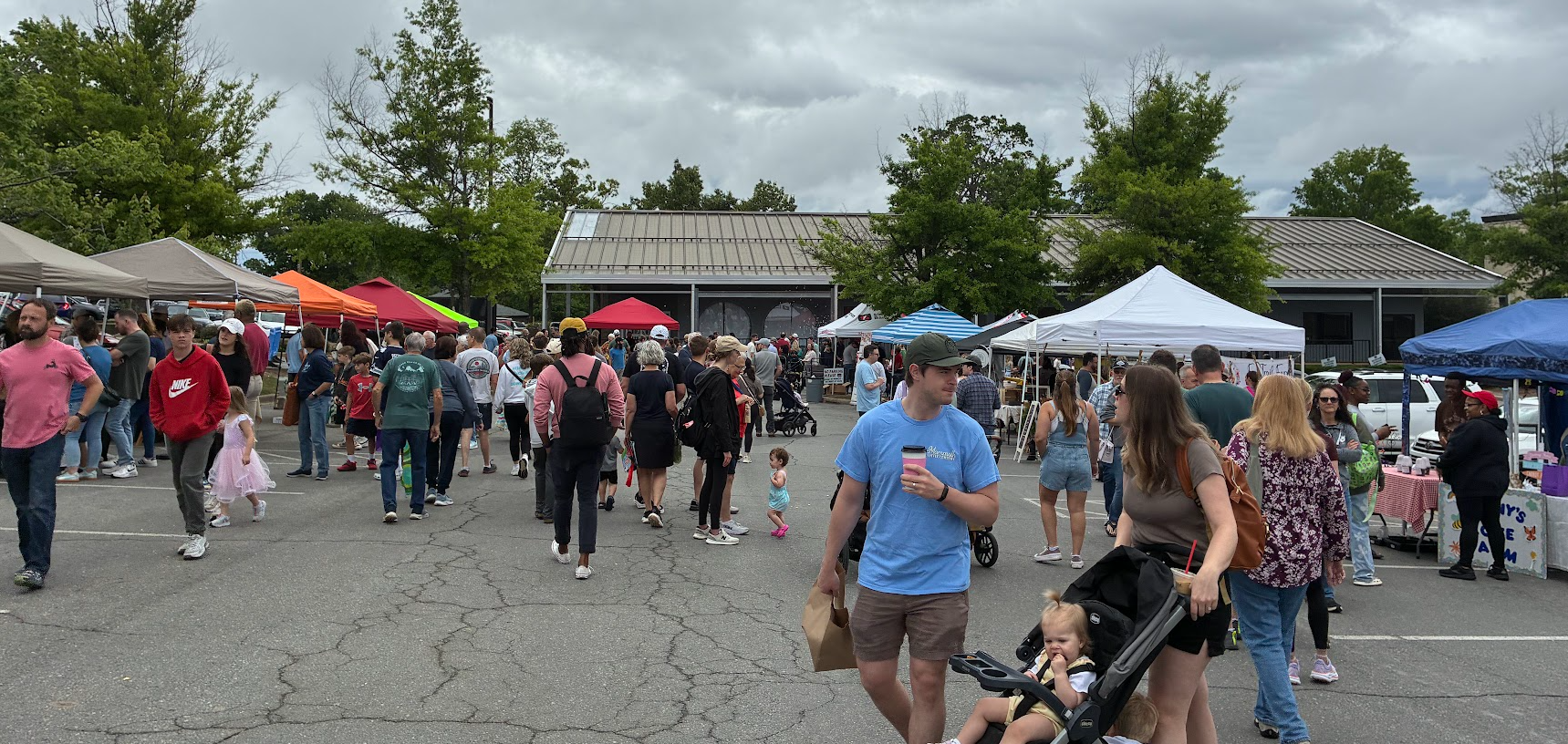
• Farmers Markets, Farm Stores, and Direct Sales: On the other hand, if you’re selling at farmers markets, through a farm store, or directly to consumers, having a website can be a powerful tool. It helps you connect with customers, provide information about your products, and even enable online sales.
2. Benefits of Having a Website for Your Farm
A website does more than just list your products; it serves as the digital face of your farm. Here are some key benefits:
• Establishes Credibility: A well-designed website can help build trust with potential customers. It shows that you are a legitimate, professional operation. In an era where consumers are increasingly concerned about the origins of their food, having a website that details your farming practices can set you apart.
• Showcasing Products and Practices: Your website is a great place to highlight what makes your farm unique—whether it’s your organic certification, heritage breeds, or sustainable practices. High-quality photos, videos, and detailed descriptions of your farm’s offerings can help tell your story and make your products more appealing.
• Customer Engagement: A website allows you to share more about your farm’s story, post updates, and announce upcoming events like farm tours, workshops, or seasonal product releases. It keeps customers engaged and connected with your farm even when they’re not buying.
3. How a Website Can Help Grow Your Farm Business
A website isn’t just a digital brochure; it’s a dynamic tool that can help you grow your farm business in several ways:
• Improves Visibility and Accessibility: With more people turning to the internet to find local products, a website makes it easier for customers to discover your farm. Local SEO (search engine optimization) can help your farm appear in search results when people are looking for fresh produce, eggs, meat, or other farm goods in your area.
• E-commerce Opportunities: If you’re ready to expand your sales, adding an online store to your website allows customers to purchase directly from you. Whether it’s farm-fresh eggs, honey, CSA shares, or even value-added products like jams or soaps, an e-commerce platform opens up a new revenue stream that goes beyond the limitations of your physical market presence.
• Marketing and Promotions: A website lets you collect customer emails for newsletters, offer promotions, and advertise farm events. This direct line of communication keeps your farm top of mind and can drive repeat business.
4. Key Features to Include on Your Farm’s Website
If you decide to build a website, including the right features is key to making it effective:
• About Us Page: Share your farm’s story, including how you got started, your values, and what sets your products apart. This personal touch helps customers feel more connected to your farm.
• Product Listings: Include high-quality photos and descriptions of your products. Detail when items are in season, pricing, and any special qualities (like organic or non-GMO).
• Contact Information and Location: Make it easy for customers to find you, visit your farm, or contact you with questions. Include a map if your farm is open to visitors.
• Order or Inquiry Forms: Provide simple ways for customers to place orders, reserve CSA shares, or ask questions about your products.
• Blog or News Section: Keep customers engaged by sharing updates, seasonal recipes, farming tips, or insights into the daily life on the farm. Regular updates help keep your site fresh and give customers a reason to return.
5. When You Might Not Need a Website
While a website can be beneficial, there are scenarios where it might not be necessary:
• Stable Wholesale Accounts: If your business relies on established wholesale accounts and isn’t focused on expanding direct-to-consumer sales, the return on investment for a website may be low.
• Limited Time or Resources: Maintaining a website requires time, effort, and sometimes financial investment. If you’re already stretched thin managing farm operations, a website might become more of a burden than a benefit.
6. Alternatives to a Full Website
If you’re not ready for a full website, there are still ways to maintain an online presence:
• Social Media Presence: Platforms like Facebook and Instagram allow you to connect with customers, share updates, and even sell products without the need for a dedicated website. It’s a great starting point for farms on a tight budget.
• Online Directories and Listings: Listing your farm on local food networks, farm directories, or market websites can help improve your visibility without the commitment of a website.
Conclusion
Whether your farm needs a website depends on your sales model and long-term goals. For many farms, especially those engaging directly with consumers, a website can be a valuable tool that helps build relationships, increase sales, and showcase what makes your farm special. But if your business is thriving without one, or if the resources required seem daunting, consider simpler alternatives like social media or online listings. Ultimately, your decision should align with your farm’s unique needs and growth objectives.
Ready to grow your farm’s online presence? Reach out to
growingurbanfarmers.org for more tips and resources on creating a farm website that works for you!
Share