Maximizing Farm Income Through Agritourism

Scott Shellabarger • January 23, 2025

Agritourism is an excellent way for small farms to diversify and supplement their income.

By offering unique, farm-based experiences, you can attract visitors seeking authentic, rural adventures. Here's how to leverage various agritourism opportunities to boost your farm's profitability!


RV Space Rentals and Hosting


Boondockers Welcome
and Harvest Hosts are fantastic platforms for renting out RV spaces. Many travelers prefer staying on farms for the special experience and peaceful environment. Ensure your farm has basic amenities like water and electricity hookups to attract RVers. Promote the serene and scenic aspects of your farm to entice visitors.


Short-term Accommodations


Platforms like
Airbnb can be used to rent out rooms, cabins, tiny houses, or even set up glamping tents. Here are a few ideas:

  • Cabins and Tiny Houses: Build cozy cabins or tiny houses that offer a rustic, yet comfortable stay. Highlight the natural beauty and tranquility of your farm.
  • Glamping: Set up luxury tents with comfortable beds, electricity, and heating. Glamping combines the adventure of camping with the comforts of home, attracting a broad range of guests.


You-Pick Operations


"You-Pick" operations allow visitors to pick their own produce, offering a hands-on farming experience. Popular options include:

  • Berry Picking: Strawberries, blueberries, thornless blackberries and raspberries are favorites.
  • Apple Orchards: Offer apple picking in the fall.
  • Pumpkin Patches: Perfect for autumn, you can combine this with other seasonal events like hayrides.


Seasonal Events


Hosting seasonal events can draw large crowds to your farm. Consider these activities:

  • Pumpkin Patches and Hayrides: These are classic fall attractions. Combine them with corn mazes and scarecrow-making workshops for a full day of family fun.
  • Christmas Tree Farms: Allow visitors to cut down their own Christmas tree. Pair this with hot cocoa and a visit from Santa Claus for a magical holiday experience.


Farm Tours and Animal Visits


Educational tours and animal interactions can be major draws. 

  • Farm Tours: Offer guided tours that explain your farming practices, crop cycles, and the history of your farm. This can be particularly appealing to school groups and families.
  • Animal Visits: Let visitors interact with farm animals. Goat yoga has become increasingly popular, providing a fun and relaxing way for guests to engage with animals.
  • Make sure to properly protect your business with the addition of any animal-centered activities, especially 'petting zoos.'


Specialized Experiences


Creating unique experiences can set your farm apart. Consider these specialized offerings:

  • Goat Yoga: Combine yoga sessions with playful goats. This quirky activity has a broad appeal and can be marketed as a unique fitness and relaxation experience.
  • Workshops and Classes: Offer workshops on gardening, cooking with farm-fresh ingredients, or crafts like soap and candle making.


Marketing Your Agritourism Business


To successfully attract visitors, effective marketing is crucial. Here are some strategies:

  • Social Media: Use platforms like Instagram, Facebook, and TikTok to share beautiful photos and engaging stories about your farm. Highlight visitor experiences and a behind-the-scenes look at farm life.
  • Partnerships: Collaborate with local businesses and tourism boards to reach a wider audience. Offer package deals with nearby attractions or restaurants.
  • Online Presence: Ensure your farm has a professional website with easy online booking options. Provide detailed information about the experiences you offer, along with high-quality photos and customer reviews.
  • Join the Arkansas Agritourism Association for more resources


Agritourism offers a fantastic opportunity to diversify your income and share the joys of farming with a broader audience. By offering a variety of activities and accommodations, you can attract a wide range of visitors and create memorable experiences that keep them coming back year after year. Start small, evaluate what works best for your farm, and gradually expand your offerings. Happy farming and hosting!


Feel free to tailor this guide to better fit the specifics of your farm and the experiences you wish to offer. Agri-tourism is a flexible and rewarding way to enhance your farm's income while sharing your love of agriculture with others.


Share
By Travis DeLongchamp • July 24, 2026
Missed out on our July Growing Urban Farmers Workshop? Don't fret! Here, I address the main topics covered that are particularly relevant this time of year: the heart of summer and preparing the vegetable garden for autumn. These are the key points to remember: The peak of summer is a period of intense heat and sporadic rain. From July to the end of August, rainfall is at its lowest. Therefore, it's essential to water your vegetable garden regularly. Use a drip irrigation system to water your garden without creating an environment conducive to disease. Avoid sprinkler irrigation for this reason and only water early in the morning. Early morning watering allows the water to soak into the soil with minimal evaporation, and then when the sun rises, it will quickly evaporate moisture on foliage to reduce chances of fungal disease. Mulching can help hold moisture in the soil, reducing the amount or the frequency of watering. It can also help regulate soil temperatures. Several plant disorders can be caused by intense heat and sunlight. One might think these disorders are caused by disease, but that's often not the case. You might see dead or dropped flowers, misshapen fruit, or fruit that never ripens. That's often just the heat, not a disease. We can take advantage of the extreme heat and sun to solarize the garden in preparation for autumn planting. By using a clear plastic sheet, we can literally cook the weeds and kill many weed seeds in the top layer of soil. If you have a way to support shade cloth, it can be very beneficial to reducing the temperatures. You can lay it over plastic on greenhouses and high tunnels to help reduce indoor temperatures, but ideally you want airflow through the shade cloth to improve cooling. Shade cloth usually comes in percentages of shade, with higher percentages being shadier. For most vegetables 40-60% shade works well, is often used, and doesn’t reduce the sunlight too much. Start getting ready for fall planting in the peak of summer. When it’s too hot to work outside, start prepping for fall planting. For a list of fall planting dates, you can use this link from Arkansas Cooperative Extension: Fall Planting Dates . Despite what they suggest, for most crops that prefer cooler weather I generally plant around September 15, since by that point we’re past “peak heat” and can worry less about the issues discussed above. There is also the Year Round Home Garden Planting Chart , also from Arkansas Extension, which gives planting suggestions by month for the whole year. Keep in mind that if you’re planning to start transplants from seeds, you’ll need to factor in the time they’re in pots. So if you want to plant cabbage on Sept 15, you will want to give 4-6 weeks in the pots, meaning sowing them on Aug 1-15. Often, seed packets or seed websites will advise you on how many weeks before planting out you’ll need to start your seeds. Don’t forget about crop rotation, and try to alternate between different plant families. If you’re not familiar with what family a specific plant is in, doing a web search is probably the quickest way to find out. One thing people often miss with crop rotation is that, ideally, you want to rotate the crops far away. Just moving them a row or two over doesn’t protect them nearly as much, since pathogens and pests can easily spread over such short distances. Even in September temperatures can be high and rainfall low, so it’s a good idea to think ahead how you will keep your seeds and transplants from drying out. Early on, drip irrigation may not be enough, so you may want to temporarily hand water (for small plots and gardens) or set up a sprinkler until their roots get established. Remember to harden off your transplants before planting them out. If you started them in a protected and relatively cool area, then the sudden shock of 90+ temperatures and intense sun can damage or outright kill them. Slowly move them into the sun by first keeping them out of direct sunlight and then gradually, over a week or so, move them into full sun. Plan out your fall cover crops. Consider your objectives with them, meaning do you want them to suppress weeds, add nitrogen, reduce soil compaction, etc. Use a mixture of cover crops, such as wheat and crimson clover, to accomplish multiple goals. Don’t forget to plan out when you’re going to terminate your cover crop, and how, or you could end up delaying spring planting because there’s too much undecomposed organic matter in your soil. Plan to protect your fall crop through cold weather. Although Arkansas winters are relatively mild and most fall crops are surprisingly hardy, it’s still possible to suffer some losses and damage to crops because of cold weather. In Central Arkansas, the first frost can arrive as early as October, but usually is in November. So, it’s a good idea to have your frost protection in hand by mid October, just in case there’s an early cold snap. Mulching can help significantly in the winter by insulating the soil and protecting the base and root zones of plants. I personally like to use straw when available, but just about any organic material will work. Keep in mind that if you till it in at the start of spring, it will tie up nitrogen in the soil until it has decomposed, so if possible, it may be better to remove and compost it separately. Constructing low tunnels over your rows and covering them with frost cloth or clear plastic can greatly protect your crops. Despite that, there are some considerations: Don’t let the fabric or plastic touch the plants, or those spots will likely suffer freezing damage. Don’t keep crops covered when temperatures are fine, since frost cloth also shades crops and clear plastic can get surprisingly hot on a sunny day (even if the air temperature is cool). If it snows or there’s freezing rain, the tunnels will often collapse if not supported somehow, crushing the plants. If the snowstorm is predicted to be heavy enough to cover the plants, I’ll opt to remove the cover, since the snow will blanket the plants and provide insulation without crushing them. Ice is problematic either way. Wind can also be a problem with low tunnel covers. I like to lace the tops with paracord or some other kind of strong twine. At each hoop, I connect the string and “lace” it like a shoe over the top of the frost cloth/plastic. This helps prevent the cover from flying off in the wind. Sandbags or other weights can be helpful as well. Hopefully this was helpful and those who attended the presentation enjoyed it and learned some things as well. Often there are discussions that happen during the presentation that can give useful and interesting ideas, anecdotes, and insights, and I try to include them in these summaries when I can remember them. Take care of yourselves in this particularly hot time of year and don’t forget to drink lots of water! Fall will be here soon enough.
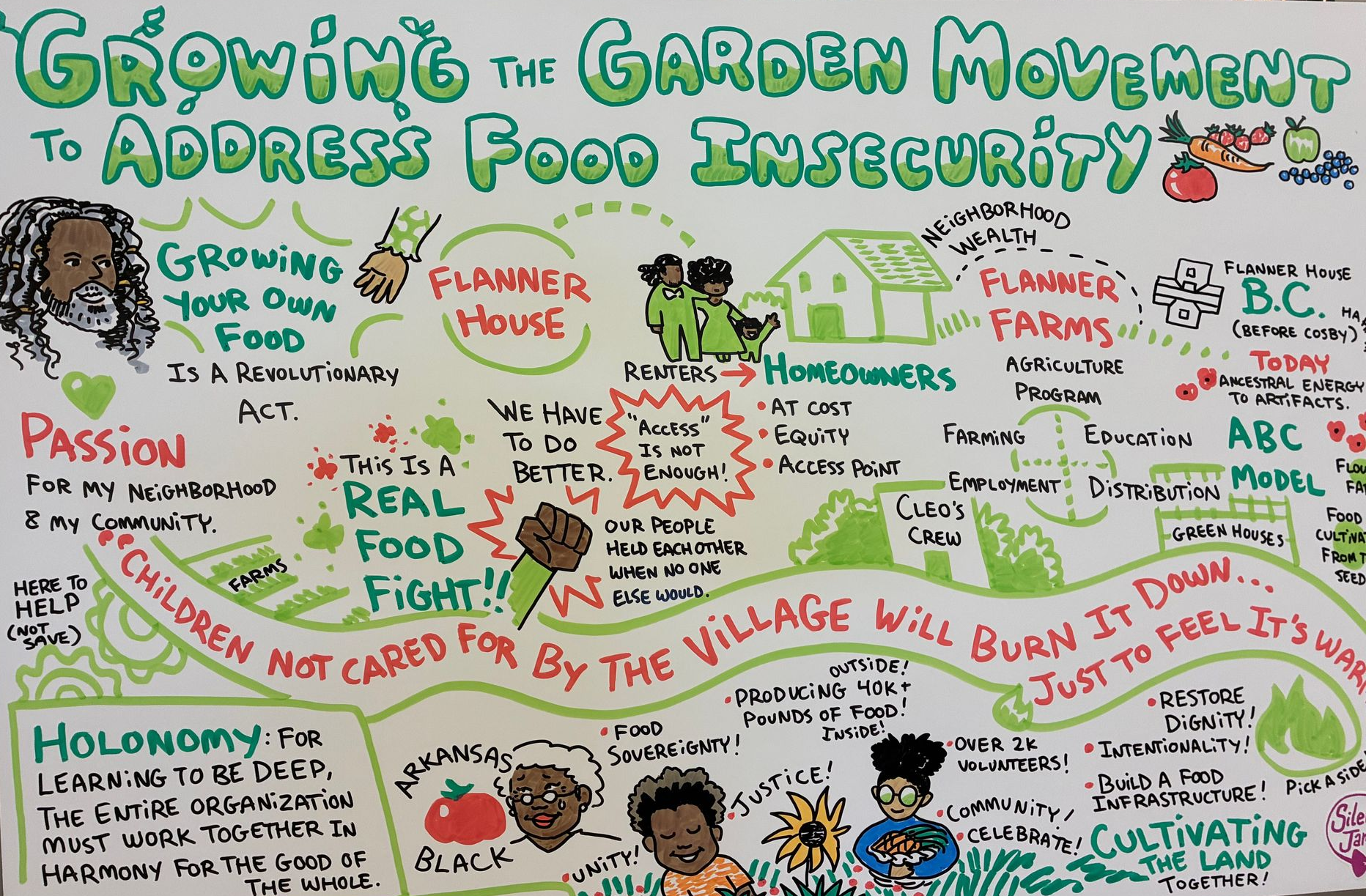
Illustrated poster reading “Growing the Garden Movement to Address Food Insecurity” with colorful, hand-drawn notes and icons
By Monica Woods • June 23, 2026
Reflect on community food systems & collaboration. Join us to enhance local food production and support aspiring farmers.
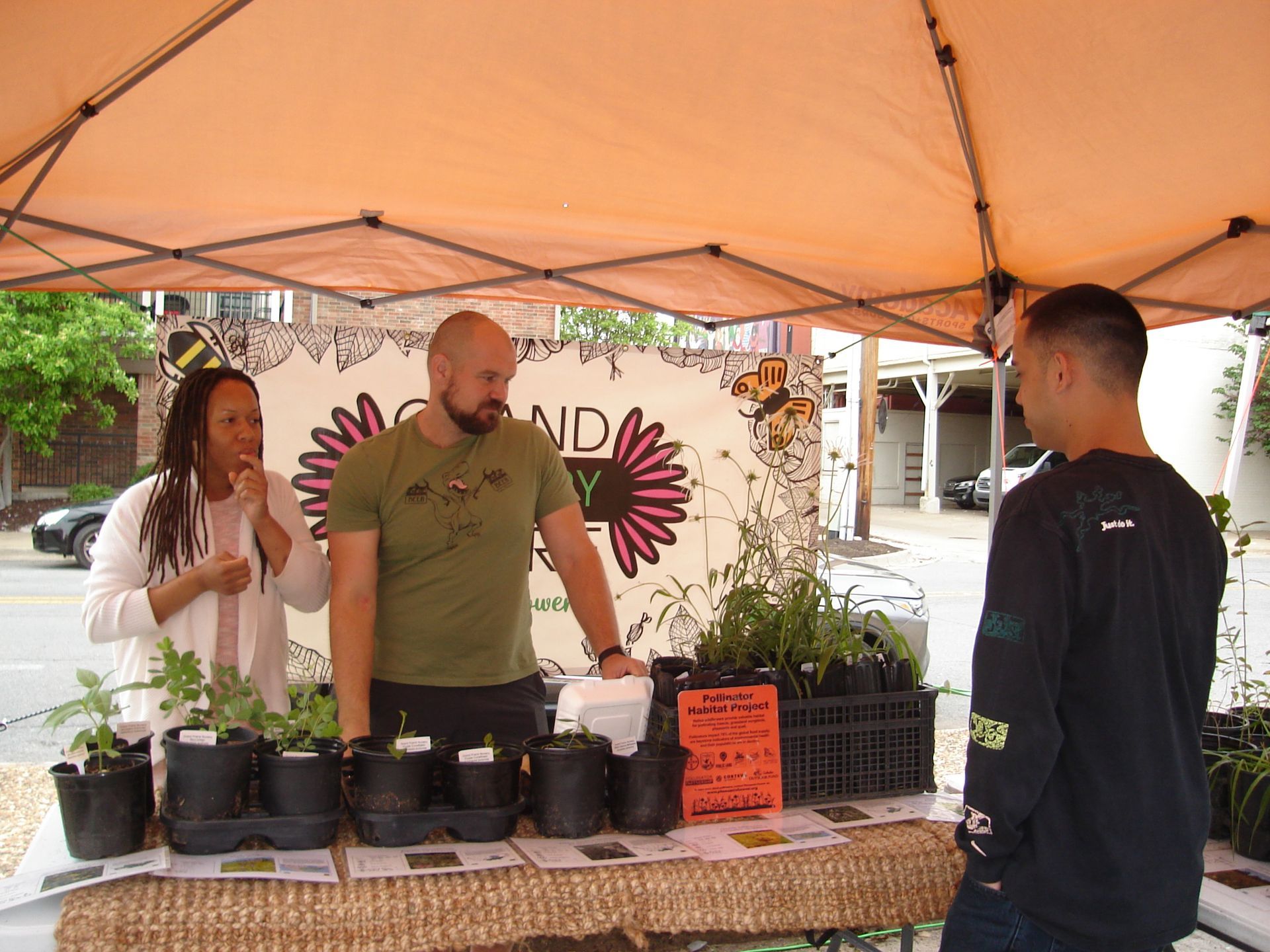
People at a plant stall under a tan canopy, with potted plants and a sign on the table.
By Monica Woods • May 26, 2026
Visit the Argenta Farmers Market for fresh produce & community events every Thursday. Join us for local stories & live music!
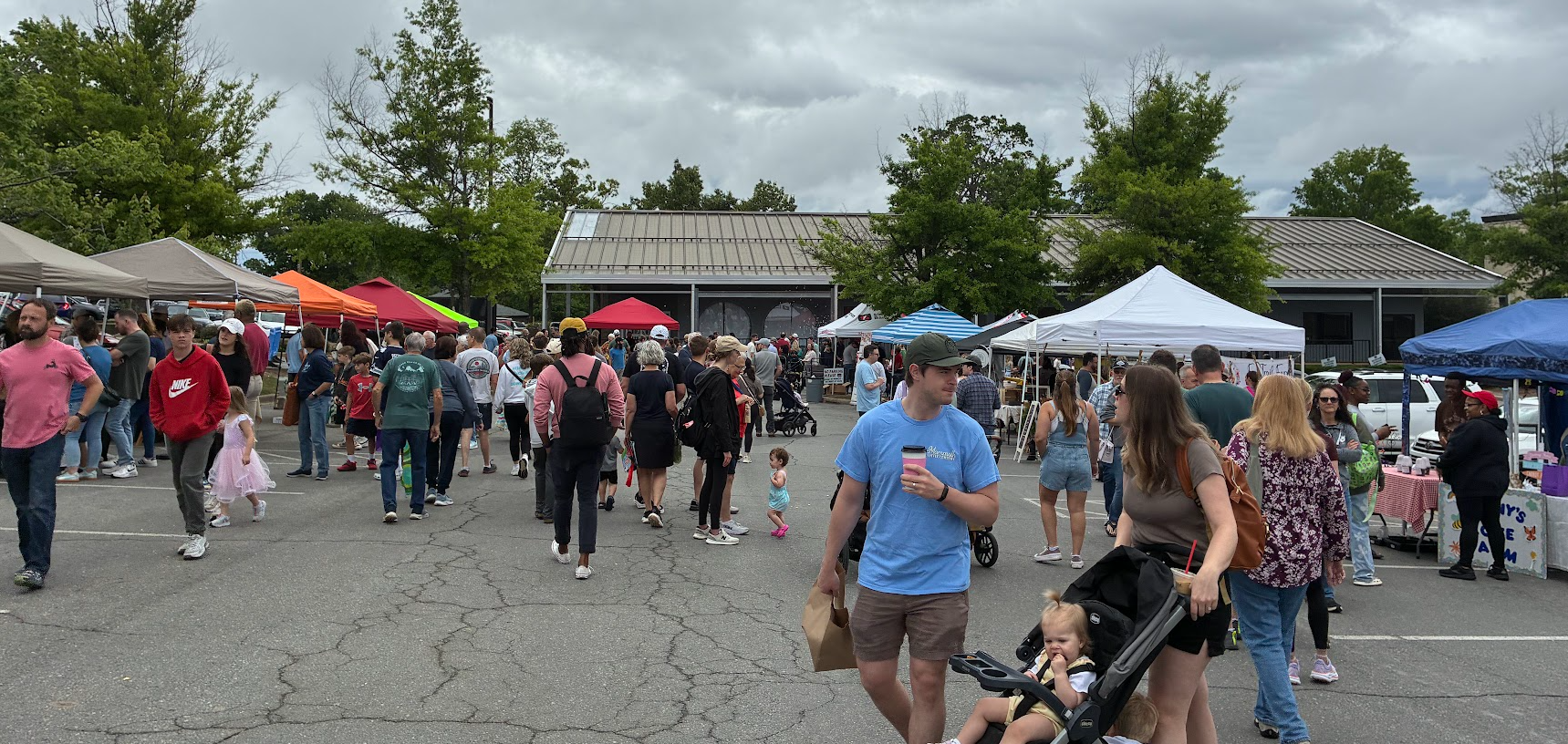
Crowd browsing vendor tents at an outdoor market on a cloudy day
By Monica Woods • April 21, 2026
Skip the grocery store! Explore why farmers markets offer fresher food, support local farms, & create a better shopping experience.
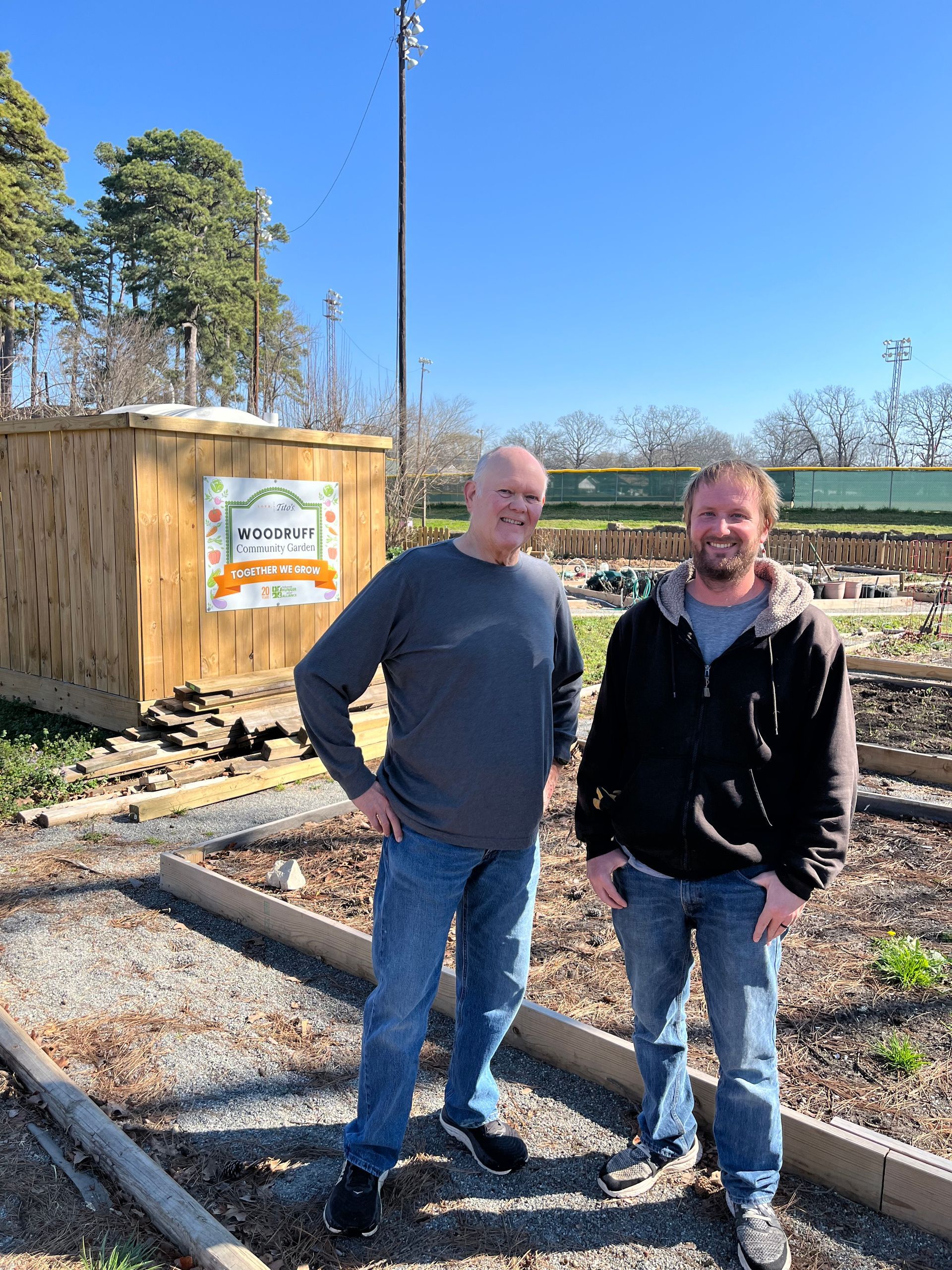
Two men standing on a gravel path beside a wooden shed under a clear blue sky.
By Travis DeLongchamp • March 6, 2026
Get expert help for starting & growing farm businesses. Fill out our form for quick assistance with gardening issues.
Plowed field under a clear sky, with dry brown soil and a distant tree line.
By Travis DeLongchamp • February 24, 2026
Recap of the soil testing workshop. Learn about free tests & recommendations for crop health. Contact us for more info!
Desktop workspace with monitor, keyboard, coffee mug, notebook, headphones, and teddy bear by a window
By Scott Shellabarger • February 18, 2026
Explore if your farm needs a website to boost sales & connect with customers. Get started on your online presence today!
Harvested vegetables—green cucumbers and a pile of orange carrots on grass, with leafy vines above
By Scott Shellabarger • December 20, 2024
Optimize your farm's yield with effective crop planning. Get started today to enhance your farming business!
A white horse grazing in a leaf-covered yard beside a glass greenhouse in autumn.
By Scott Shellabarger • October 30, 2024
Learn how NRCS aids farmers with financial help & expert advice. Start your sustainable farming journey today!
Farm with white barn and tall silo in green fields under a cloudy sunset sky
By Scott Shellabarger • September 10, 2024
Find out if you need a USDA Farm Number for federal programs & assistance. Follow our steps to register your farm today!