January Soil Test Field Day Follow Up

Travis DeLongchamp • February 24, 2026

Soil Testing Field Day Follow-Up

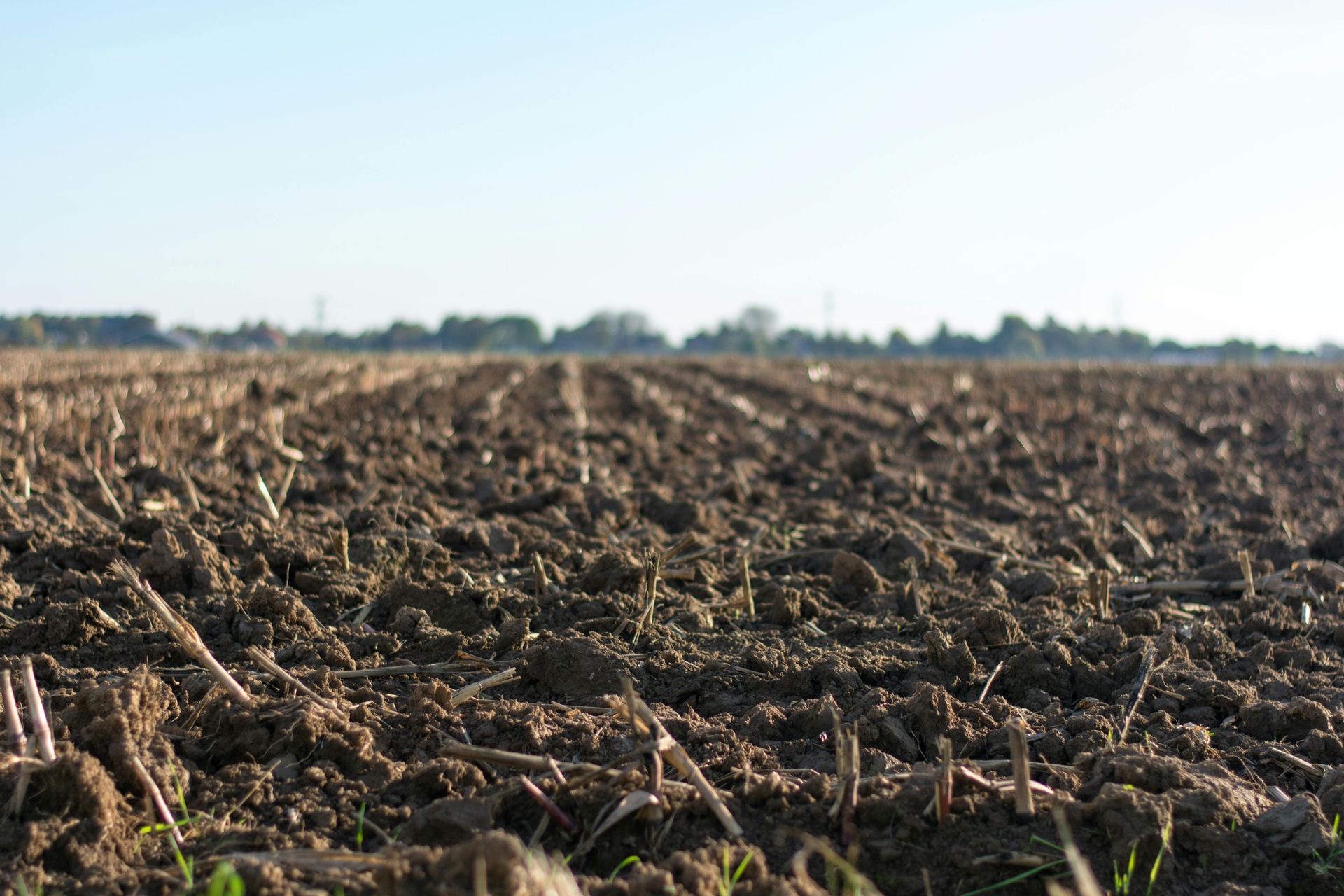
Plowed field, close-up with rows of dark soil, remnants of crop, and distant trees under blue sky.

This is a follow-up to our soil testing workshop on January 14, 2026.


Why test your soil?


Just to recap, there are a few reasons you should be regularly testing your soil:


  • Adjusting and maintaining your soil pH at optimum levels for nutrient absorption
  • Applying appropriate amounts of fertilizers
  • Spotting "red flags" such as high salinity and identifying trends that could lead to problems
  • Helping to diagnose crop issues


When to choose a private laboratory


I mentioned that soil tests from the University of Arkansas Cooperative Extension Service are free to Arkansas residents ($10 for out-of-state samples), but that there may be reasons to choose a private lab in certain situations.


  • Private labs may have a faster turn-around for results
  • May offer testing for compost, potting soils, or heavily amended soils
  • May provide testing for heavy metals or soil contaminates
  • May provide personalized consulting with a soil expert


In general, start with the free soil testing and consultation provided by Extension and utilize private labs for specialized testing or when diagnosing a crop issue requires an urgent analysis.


UA Soil Testing link: https://soil-testing.uada.edu/


UA Extension publications to check out


Extension offers a couple publications to help you understand the results of your soil test. While they are both very similar, it's worth reading both since they walk you through each section of the soil test and what the metrics mean.


Summary of the metrics


While there's general recommendations for what the ideal numbers are, it's important to research your individual crops in case their needs are different. Fortunately, the Extension soil test tailors its recommendations to the crops you indicated when you sent in your soil sample.

Metric Why It Matters What to Target
Soil pH Affects the ability of crop to uptake nutrients. 6 - 7 is fine for most vegetables
Macronutrients Provides the bulk of nutrients required by plants Depends on the crop, Extension will provide optimum numbers
ECEC Indicates the soil's ability to hold nutrients Higher is better; Organic matter can improve this metric
Base Saturation % of exchange sites occupied by Ca, Mg, K, and Na >60% is ideal; Organic matter and raising pH will improve this metric
Sodium High Na levels can reduce productivity Avoid increasing Na % caused by build-up from fertilizers
Soil Texture Affects soil's nutrient holding ability, pH buffering, moisture retention, and drainage Difficult to change; Clay soils hold nutrients better than sandy soils and require more lime/sulfur to adjust pH

Sodium (Na) levels are particularly worth watching for high tunnel growers, as they are more likely to see a continued build-up since rainfall isn't regularly flushing the soil.


Nutrient and fertilizer recommendations


Extension will take your results and do some math to calculate how much nutrients and lime (or sulfur) you need to add to your soil. These will be printed in a table toward the bottom of your results.
Keep in mind this table shows pounds of nutrients, not fertilizer, which is listed under the table in "Crop notes."


Adjusting results for your garden


If you're using conventional fertilizers, Extension will have listed a recommendation for you in the "Crop Notes" for each of the crops you indicated. All you need to do is adjust the recommendations to the size of your garden.


Nutrient recommendations are typically given in Lbs/Acre, Lbs/1000 Square Feet, or Lbs/100 Row Feet depending on the crop, although you can convert between them if necessary.


So to get the amount of fertilizer you need for your space, you just have to do a little math. Let's say your garden is 500 square feet.


If it's Lbs/1000 Square Feet:


500 / 1000 = 0.5


Now multiply the fertilizer or nutrient recommendations by 0.5 (half).  If your results are in Lbs/Acre, use 43560 instead of 1000 in the above formula. If the results use 100 Row Feet, it will likely make more sense to just measure the length of your rows.


Keep in mind you don't need to fertilize paths and other non-growing areas in your garden. So subtract it from your total garden area and save some money on fertilizer.


What if you only use organic fertilizers?


What about the organic folks? Well, you have two options: either do the math yourself or ask an Extension agent to help you out. However, it's not too much more math to figure it out yourself.


Some things to note:


  • Keep in mind that the NPK ratings on fertilizer bags indicate the percent by weight of Nitrogen, Phosphorus, and Potassium.
  • Multiply the weight of the bag by the percent of the nutrient to find the amount (in pounds) of each nutrient.
  • So, if your 100 lb bag has a rating of 8-4-3, then it contains 8 lbs Nitrogen, 4 pounds Phosphorus (P₂O₅), and 3 pounds of Potassium (K₂O)
  • For liquid fertilizers you'll need to know the density in order to convert to volume


During the discussion, people asked about how to spread small amounts of fertilizer over a large area. While this is an unlikely issue, the easiest solution is to combine the fertilizer with a "bulking" agent like rice hulls, bio-char, compost, etc.


Looking forward and keeping records


Each soil test you receive is a single data point that gives you a snapshot of the condition of your soil. In order to be able to see the bigger picture, you need to be regularly soil testing and recording the results in order to spot trends.


  • Record everything into a spreadsheet program like Excel, Google Sheets, or LibreCalc
  • Keep a log that records events such as when you fertilize or apply lime
  • Chart trends of soil metrics such as salinity (Na levels) or pH
  • Cross-reference your soil test results and data with other records, such as harvest yields, to find patterns


Bottom Line


A soil test is a powerful diagnostic tool, but it’s only as useful as the actions you take afterward. By reading the key parameters, scaling the nutrient recommendations correctly, and keeping a disciplined record‑keeping habit, you’ll turn a single laboratory number into a sustainable, data‑driven gardening strategy.

Share
By Scott Shellabarger February 18, 2026
In today’s digital age, having a website is often considered essential for businesses of all kinds. But does your farm really need one? The answer depends on your farm’s sales channels and goals. Whether you sell wholesale, at farmers’ markets, or directly to customers through a farm store, a website can be a valuable tool—or an unnecessary expense. Let’s explore when a website is beneficial and how it can help you grow your farm business. 1. Assessing Your Farm’s Sales Channels Before diving into the world of website design, it’s important to assess where and how you sell your products. • Wholesale Sales: If your primary sales channels are wholesale—selling in bulk to distributors, restaurants, or grocery stores—a website might be less critical. In this case, your relationships and the quality of your products often speak louder than an online presence. A basic site might still be useful for showcasing your farm, but it’s unlikely to be a significant driver of sales. • Farmers Markets, Farm Stores, and Direct Sales: On the other hand, if you’re selling at farmers markets, through a farm store, or directly to consumers, having a website can be a powerful tool. It helps you connect with customers, provide information about your products, and even enable online sales. 2. Benefits of Having a Website for Your Farm A website does more than just list your products; it serves as the digital face of your farm. Here are some key benefits: • Establishes Credibility: A well-designed website can help build trust with potential customers. It shows that you are a legitimate, professional operation. In an era where consumers are increasingly concerned about the origins of their food, having a website that details your farming practices can set you apart. • Showcasing Products and Practices: Your website is a great place to highlight what makes your farm unique—whether it’s your organic certification, heritage breeds, or sustainable practices. High-quality photos, videos, and detailed descriptions of your farm’s offerings can help tell your story and make your products more appealing. • Customer Engagement: A website allows you to share more about your farm’s story, post updates, and announce upcoming events like farm tours, workshops, or seasonal product releases. It keeps customers engaged and connected with your farm even when they’re not buying. 3. How a Website Can Help Grow Your Farm Business A website isn’t just a digital brochure; it’s a dynamic tool that can help you grow your farm business in several ways: • Improves Visibility and Accessibility: With more people turning to the internet to find local products, a website makes it easier for customers to discover your farm. Local SEO (search engine optimization) can help your farm appear in search results when people are looking for fresh produce, eggs, meat, or other farm goods in your area. • E-commerce Opportunities: If you’re ready to expand your sales, adding an online store to your website allows customers to purchase directly from you. Whether it’s farm-fresh eggs, honey, CSA shares, or even value-added products like jams or soaps, an e-commerce platform opens up a new revenue stream that goes beyond the limitations of your physical market presence. • Marketing and Promotions: A website lets you collect customer emails for newsletters, offer promotions, and advertise farm events. This direct line of communication keeps your farm top of mind and can drive repeat business. 4. Key Features to Include on Your Farm’s Website If you decide to build a website, including the right features is key to making it effective: • About Us Page: Share your farm’s story, including how you got started, your values, and what sets your products apart. This personal touch helps customers feel more connected to your farm. • Product Listings: Include high-quality photos and descriptions of your products. Detail when items are in season, pricing, and any special qualities (like organic or non-GMO). • Contact Information and Location: Make it easy for customers to find you, visit your farm, or contact you with questions. Include a map if your farm is open to visitors. • Order or Inquiry Forms: Provide simple ways for customers to place orders, reserve CSA shares, or ask questions about your products. • Blog or News Section: Keep customers engaged by sharing updates, seasonal recipes, farming tips, or insights into the daily life on the farm. Regular updates help keep your site fresh and give customers a reason to return. 5. When You Might Not Need a Website While a website can be beneficial, there are scenarios where it might not be necessary: • Stable Wholesale Accounts: If your business relies on established wholesale accounts and isn’t focused on expanding direct-to-consumer sales, the return on investment for a website may be low. • Limited Time or Resources: Maintaining a website requires time, effort, and sometimes financial investment. If you’re already stretched thin managing farm operations, a website might become more of a burden than a benefit. 6. Alternatives to a Full Website If you’re not ready for a full website, there are still ways to maintain an online presence: • Social Media Presence: Platforms like Facebook and Instagram allow you to connect with customers, share updates, and even sell products without the need for a dedicated website. It’s a great starting point for farms on a tight budget. • Online Directories and Listings: Listing your farm on local food networks, farm directories, or market websites can help improve your visibility without the commitment of a website. Conclusion Whether your farm needs a website depends on your sales model and long-term goals. For many farms, especially those engaging directly with consumers, a website can be a valuable tool that helps build relationships, increase sales, and showcase what makes your farm special. But if your business is thriving without one, or if the resources required seem daunting, consider simpler alternatives like social media or online listings. Ultimately, your decision should align with your farm’s unique needs and growth objectives. Ready to grow your farm’s online presence? Reach out to growingurbanfarmers.org for more tips and resources on creating a farm website that works for you!
By Scott Shellabarger January 23, 2025
Agritourism is an excellent way for small farms to diversify and supplement their income.
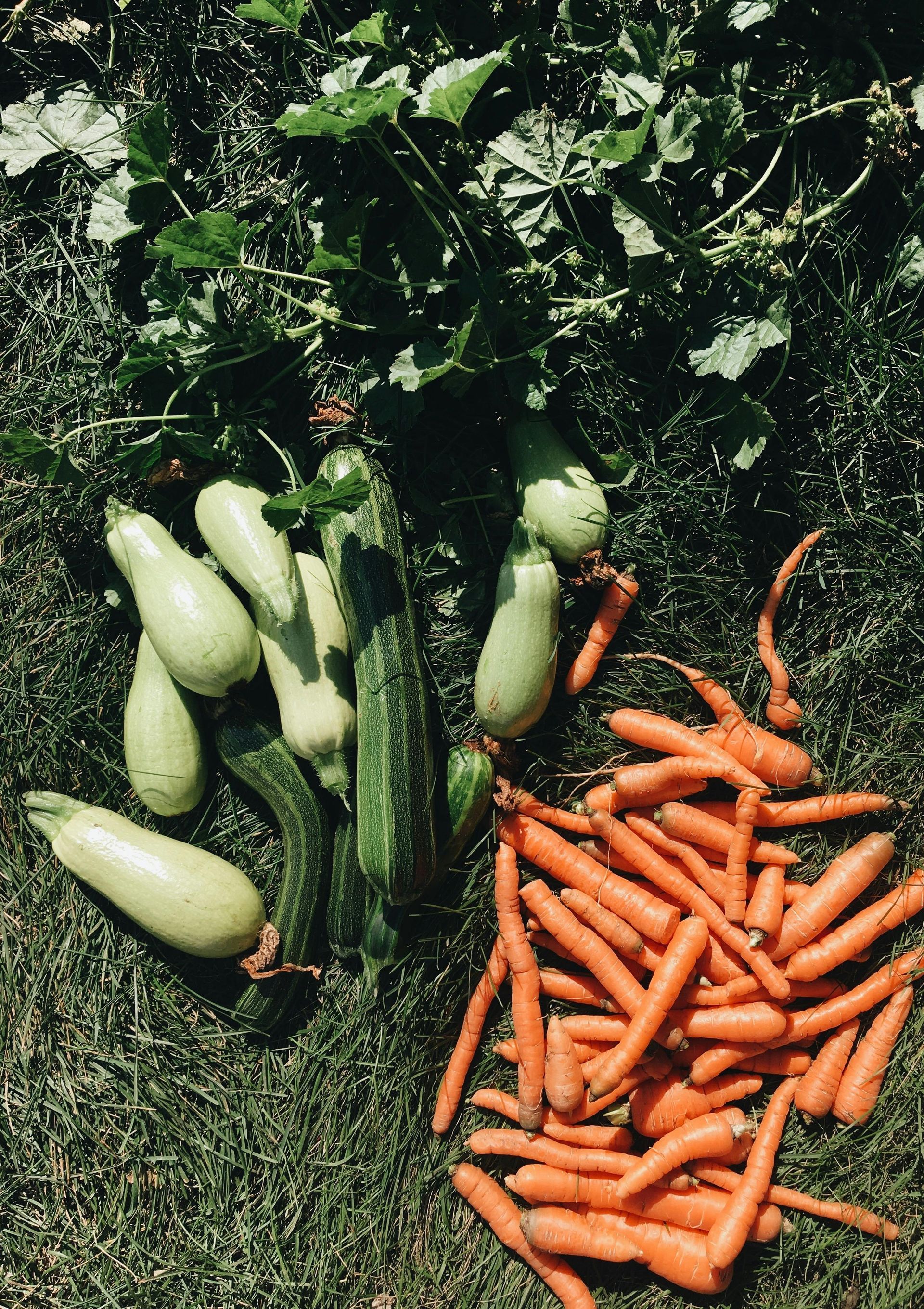
A bunch of carrots and zucchini are laying on the ground.
By Scott Shellabarger December 20, 2024
Crop Planning Effective crop planning is essential to optimize yield, sustain soil health, and meet market demands. This guide covers the fundamentals of crop planning, including goal setting, crop selection, scheduling, and resource recommendations. 1. Define Goals and Market Strategy Defining clear goals—whether aimed at market consistency, CSA production, or specialty crops—helps guide planting and resource allocation. For farmers focused on market-driven production, crop selection should align with both seasonal market trends and local demand. Talk to your customers and research prices on-line to find crops with high demand and high returns. Resource : Access USDA’s Specialty CropMarketReports and Local Market Reports for updated information on specialty crops and regional food trends. 2. Choosing the Right Crops Selecting the right crops involves assessing compatibility with climate, soil, and market needs. Start by examining local climate data and performing a soil test to ensure crops are well-suited to the environment. Resources : University of Arkansas Extension’s Vegetable Crop Guide provides in-depth guidance on suitable crops for Arkansas’ unique climate and soils: Horticulture Vegetable Crops . Johnny’s Selected Seeds Growing Center offers a crop selection tool, seed-starting calculators, and resources for crop-specific growth stages and climate considerations: Growing Center . 3. Create a Crop Rotation Plan Effective crop rotation helps manage soil fertility, reduce pest cycles, and improve overall crop yields. Rotation should alternate crop families, nutrient needs, and root depths. Rotation Examples : Alternate nitrogen-demanding crops, such as tomatoes, with legumes like beans to replenish soil nitrogen. Recordkeeping : Maintain a log of crop placement each year to avoid replanting similar crops in the same location within a three-year cycle. Resource : For guidance on organic crop rotation practices, refer to the Organic Resource Manual from the University of Arkansas Extension. 4. Develop a Planting Schedule A planting schedule based on climate and crop maturity ensures that harvests align with market demands. Adjust your schedule for staggered plantings to create a steady harvest season. Spring/Summer Planting Dates : Use University of Arkansas Spring/Summer Planting Dates to establish planting timelines for crops like tomatoes, beans, and corn. Fall Planting Dates : Consult Fall Planting Dates to extend your season with fall-harvested vegetables like leafy greens and root crops. Resource : Johnny’s Selected Seeds provides an interactive Planting Schedule Calculator to help you plan ideal planting dates for each crop. 5. Calculate Seed and Transplant Needs Proper seed and transplant planning can prevent over planting or shortages during critical seasons. Calculate the exact number of seeds and transplants required based on crop type, field area, and expected yields. Direct Seeding : Use Johnny’s Direct Seeding Quantity & Yield Chart for guidance on direct-seeded crops like carrots and radishes. Transplanting : Johnny’s Transplanted Crop Quantity & Yield Chart offers seeding rates and yield estimates for transplants, including tomatoes, peppers, and broccoli. 6. Budgeting and Financial Planning Budgeting allows farmers to track costs, estimate yields, and analyze the profitability of each crop. Track inputs such as seeds, fertilizers, labor, and water to determine each crop’s financial viability. Inputs : Document expenses for seeds, fertilizers, labor, irrigation, and other inputs. Revenue Analysis : Track yields and market prices to calculate profitability for each crop. 7. Monitor and Adjust Throughout the Season Crop planning is not static; monitor crop health, market changes, and weather patterns throughout the season to make necessary adjustments. Flexibility improves resilience and profitability. Conclusion Crop planning combines careful crop selection, scheduling, and financial oversight to maximize yields and efficiency. Resources from the University of Arkansas Extension , Johnny’s Selected Seeds , and Growing Urban Farmers support farmers with tools to refine their practices each season. By implementing these practices, farmers can create a resilient, profitable operation that meets market demands and promotes sustainability.
By Scott Shellabarger October 30, 2024
What is USDA-NRCS? The USDA Natural Resources Conservation Service (NRCS) is a critical resource for farmers and landowners seeking to implement sustainable agricultural practices and improve land stewardship. Through various programs, NRCS offers technical expertise, financial assistance, and support to address conservation challenges such as soil erosion, water management, habitat preservation, and climate resilience. How does a farmer get started with NRCS? To begin, farmers should connect with their local NRCS office. The process typically involves: 1. Initial Consultation: Meet with an NRCS conservation planner to discuss your farm's specific needs and challenges. They will help you identify conservation goals, such as improving soil health, managing water resources, or creating wildlife habitats. 2. Conservation Planning: The NRCS team will work with you to develop a customized conservation plan that outlines the best practices and strategies to achieve your objectives. This plan serves as a roadmap to guide the implementation of conservation activities on your land. 3. Application for Programs: Based on your conservation plan, you can apply for various NRCS programs that provide both technical and financial assistance. These programs are designed to support a wide range of conservation practices tailored to different types of farms and land management goals. What are the key NRCS programs for farmers? 1. Environmental Quality Incentives Program (EQIP): EQIP provides financial and technical assistance to help farmers implement conservation practices that address natural resource concerns. It covers a broad spectrum of activities, from soil health improvements and nutrient management to water conservation and wildlife habitat enhancement. EQIP participants can receive funding to offset the costs of implementing these practices. 2. Conservation Stewardship Program (CSP): CSP rewards farmers who are already implementing good conservation practices and want to improve further. The program offers payments for maintaining existing practices and introducing new ones that enhance sustainability and environmental benefits. It is ideal for farmers seeking long-term stewardship of their resources. 3. Agricultural Conservation Easement Program (ACEP): ACEP provides financial support for farmers to protect, restore, and enhance wetlands, grasslands, and other agricultural lands through conservation easements. It is particularly useful for farmers who wish to protect their land from development or to preserve wildlife habitats and open spaces. 4. Regional Conservation Partnership Program (RCPP): RCPP encourages partnerships between NRCS, farmers, local organizations, and other stakeholders to solve regional conservation challenges. It allows farmers to participate in larger-scale conservation projects that address critical natural resource issues on a regional or watershed basis. 5. Emergency Watershed Protection Program (EWP): This program helps farmers recover from natural disasters, such as floods or droughts, by providing technical and financial assistance to restore damaged lands and prevent further environmental degradation. Why use NRCS programs? By partnering with NRCS, farmers can achieve several benefits: - Financial Support: Reduce the cost of implementing conservation practices through grants and cost-sharing. - Expert Guidance: Access to technical expertise and resources for effective conservation planning and implementation. - Environmental Stewardship: Contribute to the health of the environment by improving soil, water, and wildlife habitats. - Enhanced Farm Resilience: Build resilience against climate change, extreme weather events, and other agricultural challenges. What is the next step? Farmers interested in NRCS programs should contact their local NRCS office or visit the NRCS website to learn more. The local office can provide details on available programs, eligibility criteria, and application deadlines. By taking advantage of NRCS services, farmers can enhance the sustainability and profitability of their operations while contributing to the conservation of natural resources for future generations. Conclusion Using USDA NRCS services is an invaluable step for farmers looking to adopt sustainable practices, reduce costs, and enhance farm productivity. By leveraging the support offered by NRCS, farmers can make meaningful strides toward long-term conservation goals while ensuring the viability of their land and resources. Whether you are just starting or looking to expand your conservation efforts, the NRCS has a program that can help you achieve your objectives.
By Scott Shellabarger September 10, 2024
Why get a farm number? Obtaining a Farm Service Agency (FSA) farm number is essential for any farmer or rancher who wants to access federal agricultural programs and assistance. An FSA farm number officially registers your farm with the USDA, making you eligible for various benefits, including disaster assistance, conservation programs, farm loans, and crop insurance. Additionally, having a farm number simplifies the process of applying for grants and participating in federal programs aimed at improving farm operations and sustainability provided by the Natural Resources Conservation Service (NRCS). It’s a vital step in ensuring your farm is recognized and supported at the federal level. Farms as small as 1/10 of an acre can obtain a farm number. If you have decided to transition from vegetable gardening to micro-farming, a farm number could help you get resources you'll need. What is NRCS? The Natural Resources Conservation Service (NRCS) is an agency of the U.S. Department of Agriculture (USDA) that provides technical and financial assistance to farmers and landowners to promote sustainable agriculture and conservation practices. For small and startup farms, the NRCS offers programs like the Environmental Quality Incentives Program (EQIP) and the Conservation Stewardship Program (CSP), which help farmers implement practices that improve soil health, water quality, and overall farm productivity. The NRCS also provides personalized conservation planning and technical support, tailored to the specific needs of small farms, ensuring they have the resources to thrive while maintaining environmental stewardship. This support is crucial for small and startup farms looking to establish sustainable and productive operations. Step 1: Obtain a Farm Number 1. Prepare Necessary Information The Customer Data Worksheet The Customer Data Worksheet or AD-2047 form linked here , must be completed by all property owners where the farm will be located, as well as the individual(s) farm operators requesting the farm number. For example, if you own land and want to establish a farm, you will complete the form as both the owner and farm operator. In more complex situations, such as when a company or family owns the property and operates the farm, every family member or partner involved must also complete the form. Foreign ownership: If anyone owning part of a property is not a US citizen, they must complete an FSA-153 as well as the AD-2047. You will need to provide supporting documents for all operators and property owners including: Proof of identity (e.g., driver’s license) Proof of Ownership of the land (copy of recorded deed). Leases Entity Identification Status (articles of incorporation, trust & estate documents, partnership agreement) Your Social Security Number (SSN) or Employer Identification Number (EIN) 2. Locate Your Local Farm Service Agency (FSA) Office in Arkansas there in an FSA office in every county: Visit the USDA website to find your local FSA office. USDA Service Center Locator 3. Contact the FSA Office: Once you’ve gathered all documentation and completed all forms, call or email your county FSA office asking about obtaining a farm number. Some offices will allow you to turn in all the documents and forms via email. If that is not the case, schedule an appointment with your local FSA office. 4. Receive Your Farm Number: Once your application is processed, you will be assigned a unique farm number, and a map created by the FSA office. Step 2: Familiarize Yourself with NRCS Programs 1. Visit the NRCS Website: Explore the NRCS website (https://www.nrcs.usda.gov) to understand the various programs and grants available. 2. Identify Relevant Programs: Environmental Quality Incentives Program (EQIP) Conservation Stewardship Program (CSP) Agricultural Conservation Easement Program (ACEP) Regional Conservation Partnership Program (RCPP) 3. Contact Your Local NRCS Office: Locate your local NRCS office using the USDA service center locator . Schedule a meeting with an NRCS conservationist to discuss your farm's specific needs and potential funding opportunities. Step 3: Develop a Conservation Plan 1. Work with an NRCS Conservationist: An NRCS conservationist will help you develop a conservation plan tailored to your farm. This plan outlines conservation practices and goals for your farm. 2. Implement Conservation Practices: Start implementing the recommended conservation practices on your farm. Step 4: Apply for NRCS Grants 1. Complete Required Forms and Applications: Obtain the necessary forms from your NRCS office or their website. EQIP Application (CPA-1200) CSP Application (CCC-1200) 2. Prepare Supporting Documentation: Gather any required supporting documents, such as maps, soil tests, and conservation plans. 3. Submit Your Application: Submit your completed application and supporting documents to your local NRCS office by the specified deadlines. 4. Review and Follow Up: After submitting your application, stay in touch with your NRCS representative. Be prepared to provide additional information if requested. 5. Wait for Approval and Funding: If your application is approved, you will receive funding to implement the conservation practices outlined in your plan. Step 5: Maintain Compliance and Record-Keeping 1. Follow All Program Requirements: Ensure you comply with all program requirements and guidelines. 2. Keep Detailed Records: Maintain records of all conservation practices, expenses, and any other relevant documentation.
By Monica Woods August 28, 2024
Scott and Monica attended a Micro Ag Tour in Northwest Arkansas and visited with people and places that cater to farmers and the local food network.
By Monica Woods August 1, 2024
Free training and tools
By Monica Woods May 23, 2024
St. Joseph Center of Arkansas at 6800 Camp Robinson Road in North Little Rock has launched a Growing Urban Farmers (GUF) program to bolster local production of food by cultivating new growers interested in small-scale urban production. The program is supported by a grant from the USDA Natural Resource Conservation Service (NRCS). “The GUF program will offer support to individuals interested in starting or continuing a career in urban agriculture and local food production,” said Monica Woods, the newly-hired GUF Program Manager. “It will serve as a pipeline of information and resources for urban farmers with the goal of launching sustainable businesses in urban farming and creating higher production of local food.” GUF will also promote public awareness of conservation practices in urban agriculture, provide technical assistance to small producers, and further develop strong relationships with historically underserved populations and communities. Benefits to the community will be an increase in access to locally grown food. Since 2017, NRCS has been instrumental in the development of St. Joseph Center by providing support and funding through Technical Assistance grants to build infrastructure for the Urban Farm which offers agricultural education and outreach to the community. About St. Joseph Center of Arkansas St. Joseph Center of Arkansas (SJCA) is a 501(c)(3) non-profit organization formed to preserve the former St. Joseph Orphanage which is on the National Register of Historic Places. Through the efforts of SJCA, St. Joseph Center has returned to its original roots as a self-sustaining farm. Instead of supporting an orphanage, the 56,000 sq. ft. building and 63-acre property continues to serve and support the community through art, farming, education, agritourism, and outreach. For more information, visit growingurbanfarmers.org.