Summary of the Summer Wrap Up and Fall Gardening Presentation
Travis DeLongchamp • July 24, 2026
Missed out on our July Growing Urban Farmers Workshop? Don't fret! Here, I address the main topics covered that are particularly relevant this time of year: the heart of summer and preparing the vegetable garden for autumn. These are the key points to remember:
The peak of summer is a period of intense heat and sporadic rain.
- From July to the end of August, rainfall is at its lowest. Therefore, it's essential to water your vegetable garden regularly. Use a drip irrigation system to water your garden without creating an environment conducive to disease. Avoid sprinkler irrigation for this reason and only water early in the morning. Early morning watering allows the water to soak into the soil with minimal evaporation, and then when the sun rises, it will quickly evaporate moisture on foliage to reduce chances of fungal disease.
- Mulching can help hold moisture in the soil, reducing the amount or the frequency of watering. It can also help regulate soil temperatures.
- Several plant disorders can be caused by intense heat and sunlight. One might think these disorders are caused by disease, but that's often not the case. You might see dead or dropped flowers, misshapen fruit, or fruit that never ripens. That's often just the heat, not a disease.
- We can take advantage of the extreme heat and sun to solarize the garden in preparation for autumn planting. By using a clear plastic sheet, we can literally cook the weeds and kill many weed seeds in the top layer of soil.
- If you have a way to support shade cloth, it can be very beneficial to reducing the temperatures. You can lay it over plastic on greenhouses and high tunnels to help reduce indoor temperatures, but ideally you want airflow through the shade cloth to improve cooling. Shade cloth usually comes in percentages of shade, with higher percentages being shadier. For most vegetables 40-60% shade works well, is often used, and doesn’t reduce the sunlight too much.
Start getting ready for fall planting in the peak of summer.
- When it’s too hot to work outside, start prepping for fall planting. For a list of fall planting dates, you can use this link from Arkansas Cooperative Extension: Fall Planting Dates. Despite what they suggest, for most crops that prefer cooler weather I generally plant around September 15, since by that point we’re past “peak heat” and can worry less about the issues discussed above. There is also the Year Round Home Garden Planting Chart, also from Arkansas Extension, which gives planting suggestions by month for the whole year.
- Keep in mind that if you’re planning to start transplants from seeds, you’ll need to factor in the time they’re in pots. So if you want to plant cabbage on Sept 15, you will want to give 4-6 weeks in the pots, meaning sowing them on Aug 1-15. Often, seed packets or seed websites will advise you on how many weeks before planting out you’ll need to start your seeds.
- Don’t forget about crop rotation, and try to alternate between different plant families. If you’re not familiar with what family a specific plant is in, doing a web search is probably the quickest way to find out. One thing people often miss with crop rotation is that, ideally, you want to rotate the crops far away. Just moving them a row or two over doesn’t protect them nearly as much, since pathogens and pests can easily spread over such short distances.
- Even in September temperatures can be high and rainfall low, so it’s a good idea to think ahead how you will keep your seeds and transplants from drying out. Early on, drip irrigation may not be enough, so you may want to temporarily hand water (for small plots and gardens) or set up a sprinkler until their roots get established.
- Remember to harden off your transplants before planting them out. If you started them in a protected and relatively cool area, then the sudden shock of 90+ temperatures and intense sun can damage or outright kill them. Slowly move them into the sun by first keeping them out of direct sunlight and then gradually, over a week or so, move them into full sun.
- Plan out your fall cover crops. Consider your objectives with them, meaning do you want them to suppress weeds, add nitrogen, reduce soil compaction, etc. Use a mixture of cover crops, such as wheat and crimson clover, to accomplish multiple goals. Don’t forget to plan out when you’re going to terminate your cover crop, and how, or you could end up delaying spring planting because there’s too much undecomposed organic matter in your soil.
Plan to protect your fall crop through cold weather.
- Although Arkansas winters are relatively mild and most fall crops are surprisingly hardy, it’s still possible to suffer some losses and damage to crops because of cold weather. In Central Arkansas, the first frost can arrive as early as October, but usually is in November. So, it’s a good idea to have your frost protection in hand by mid October, just in case there’s an early cold snap.
- Mulching can help significantly in the winter by insulating the soil and protecting the base and root zones of plants. I personally like to use straw when available, but just about any organic material will work. Keep in mind that if you till it in at the start of spring, it will tie up nitrogen in the soil until it has decomposed, so if possible, it may be better to remove and compost it separately.
- Constructing low tunnels over your rows and covering them with frost cloth or clear plastic can greatly protect your crops. Despite that, there are some considerations: Don’t let the fabric or plastic touch the plants, or those spots will likely suffer freezing damage. Don’t keep crops covered when temperatures are fine, since frost cloth also shades crops and clear plastic can get surprisingly hot on a sunny day (even if the air temperature is cool). If it snows or there’s freezing rain, the tunnels will often collapse if not supported somehow, crushing the plants. If the snowstorm is predicted to be heavy enough to cover the plants, I’ll opt to remove the cover, since the snow will blanket the plants and provide insulation without crushing them. Ice is problematic either way.
- Wind can also be a problem with low tunnel covers. I like to lace the tops with paracord or some other kind of strong twine. At each hoop, I connect the string and “lace” it like a shoe over the top of the frost cloth/plastic. This helps prevent the cover from flying off in the wind. Sandbags or other weights can be helpful as well.
Hopefully this was helpful and those who attended the presentation enjoyed it and learned some things as well. Often there are discussions that happen during the presentation that can give useful and interesting ideas, anecdotes, and insights, and I try to include them in these summaries when I can remember them. Take care of yourselves in this particularly hot time of year and don’t forget to drink lots of water! Fall will be here soon enough.
Share
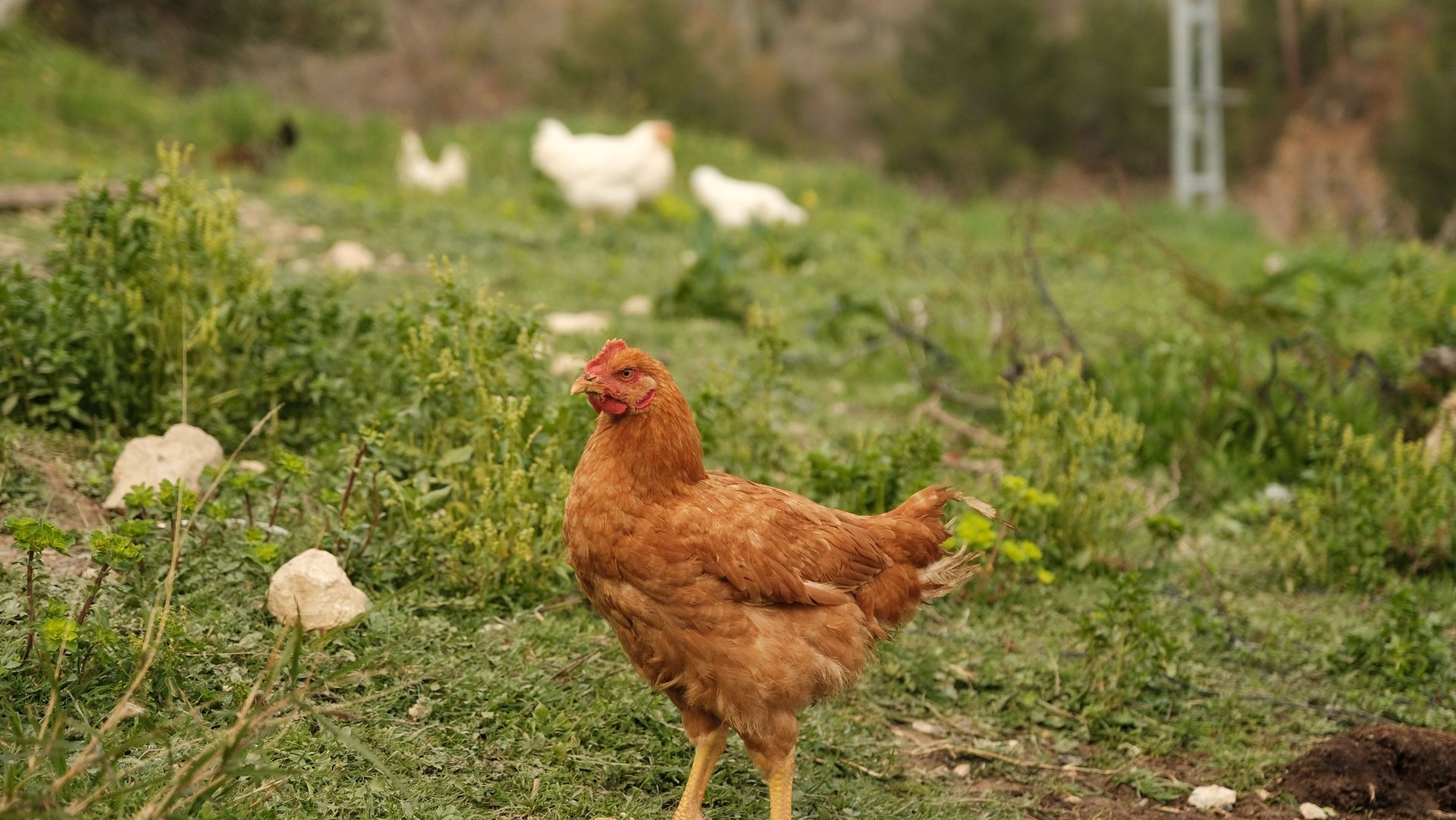
Missed last night's workshop with Urban Patchwork? We've got you covered. Here are the basics you should consider and review before building your first coop.
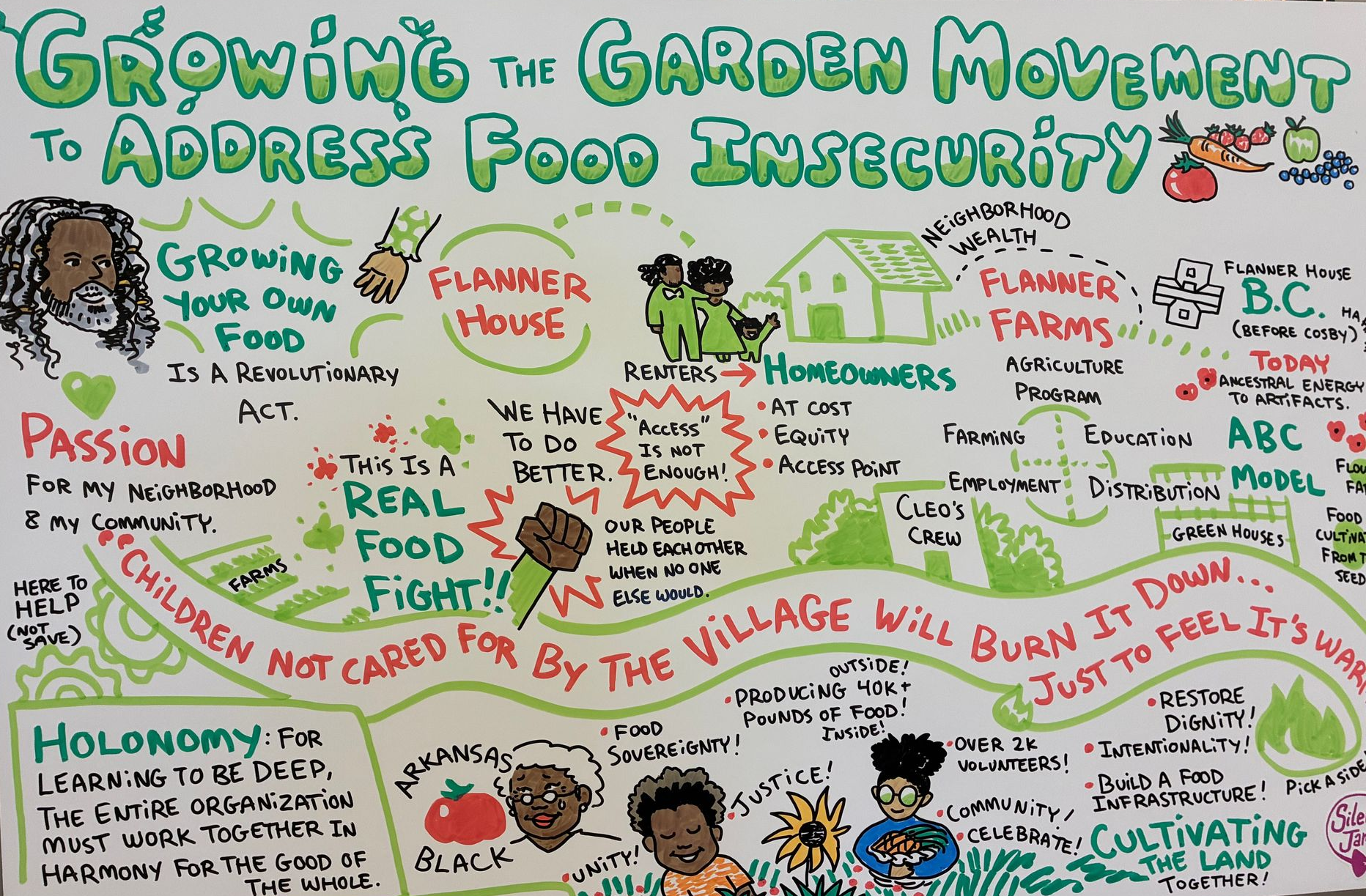
Earlier this month, staff from SJCA and GUF had the privilege of attending the American Community Gardening Association Conference, joining hundreds of gardeners, farmers, educators, nonprofit leaders, advocates, and community builders from across the country. The gathering brought together people who share a common belief: strong communities and strong local food systems are inextricably linked. Throughout the conference, attendees exchanged ideas, shared successes and challenges, and explored innovative ways to increase food access, strengthen neighborhoods, and build healthier communities. It was energizing to be surrounded by so many people who are committed to creating positive change through community gardening, urban agriculture, and grassroots leadership. One of the conference highlights was the keynote address by Dr. Brandon Cosby, CEO of Flanner House in Indianapolis and founder of Flanner Farms. Dr. Cosby delivered an inspiring message about the transformative power of urban agriculture and community-driven solutions. Through his leadership, Flanner House has become a model for addressing food insecurity while creating opportunities for education, workforce development, environmental stewardship, and economic empowerment. Dr. Cosby shared how urban farming can do far more than produce fresh food. It can reconnect people to their neighborhoods, create pathways for young people to learn valuable skills, preserve cultural traditions, and foster community pride. His work demonstrates that when communities invest in local food production, they are also investing in health, resilience, and self-determination. His message resonated deeply with attendees and reinforced the importance of continuing to build sustainable food systems at the local level. Another powerful moment came during a panel discussion featuring Chris Wyman of Potluck Food Rescue, Dr. Minnie Hatchett of Crump Garden, and other leaders working on the front lines of food justice and community development. The panel addressed critical issues facing communities throughout the United States, including food insecurity, equitable access to healthy foods, community investment, and the need for strong partnerships among organizations working toward common goals. The conversations highlighted challenges that are familiar not only in Little Rock but in communities across the country. At the same time, the panelists shared practical solutions and examples of successful collaborations that are making a measurable difference. Their insights served as an important reminder that meaningful change happens when organizations, residents, and institutions work together. The conference also featured dozens of educational sessions and presentations. While it was impossible to attend them all, we were fortunate to learn from several outstanding presenters. Sylvia Blain, CEO of the Arkansas Hunger Relief Alliance, shared valuable perspectives on addressing hunger and expanding food access throughout Arkansas. We also enjoyed hearing from Campus Cultivators at Philander Smith University, whose work demonstrates how higher education institutions can play an important role in community engagement, sustainability, and food justice. One particularly memorable experience was meeting Kendall Rae Johnson, the youngest certified farmer in the United States and a USDA Youth Ambassador. Kendall's passion, knowledge, and dedication to agriculture serve as a powerful reminder that the future of food systems is already being shaped by the next generation of leaders. Her accomplishments and enthusiasm inspired everyone who had the opportunity to meet her. As SJCA is on the cusp of big changes, the timing of attending this conference was meaningful and it further increased motivation for the work ahead. The ACGA Conference showcased countless examples of communities coming together to solve problems, create opportunities, and strengthen local food systems. More importantly, it demonstrated that there is a growing movement of people committed to ensuring that everyone has access to healthy food, green spaces, and thriving neighborhoods. The conference left us with a profound sense of hope. The challenges facing our food systems are real, but so are the solutions. When communities invest in one another, support local growers, and build strong partnerships, meaningful change becomes possible. We are grateful for the opportunity to learn from so many dedicated leaders and look forward to infusing these ideas into our work in Central Arkansas. Together, we can continue building a more equitable, resilient, and community-centered food system for future generations.
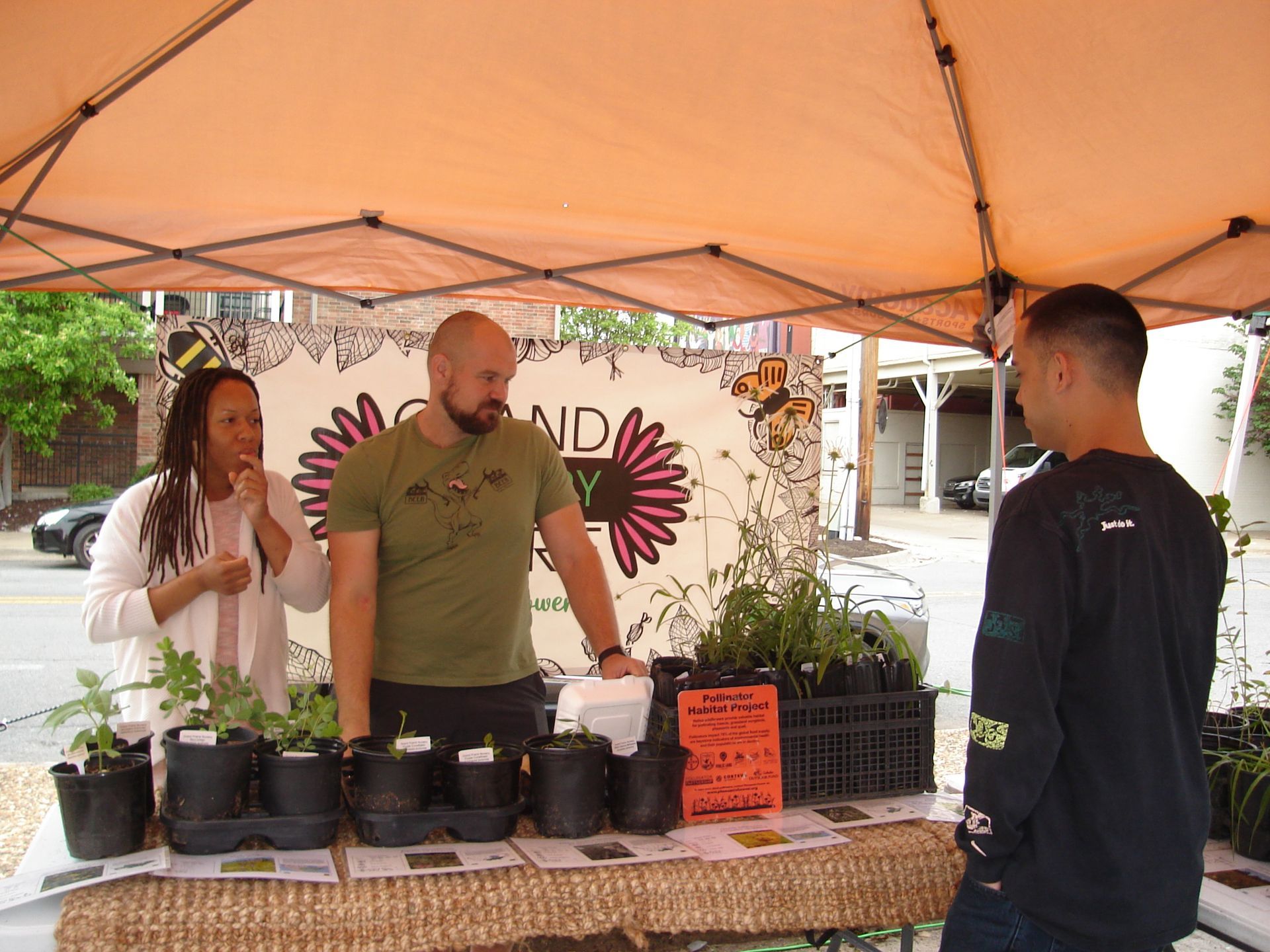
Thursday Nights in Argenta
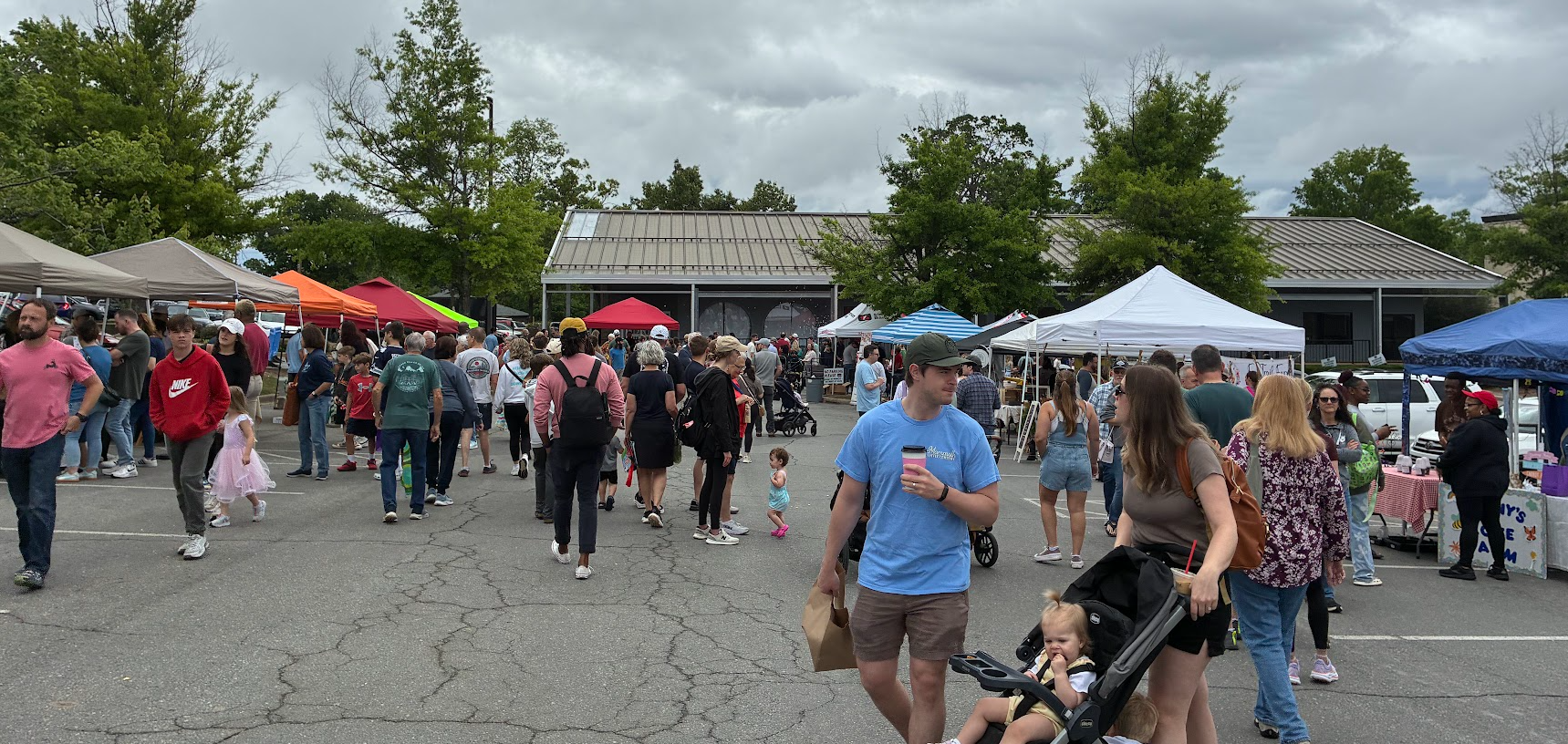
Five Reasons to Skip the Grocery Store This Weekend
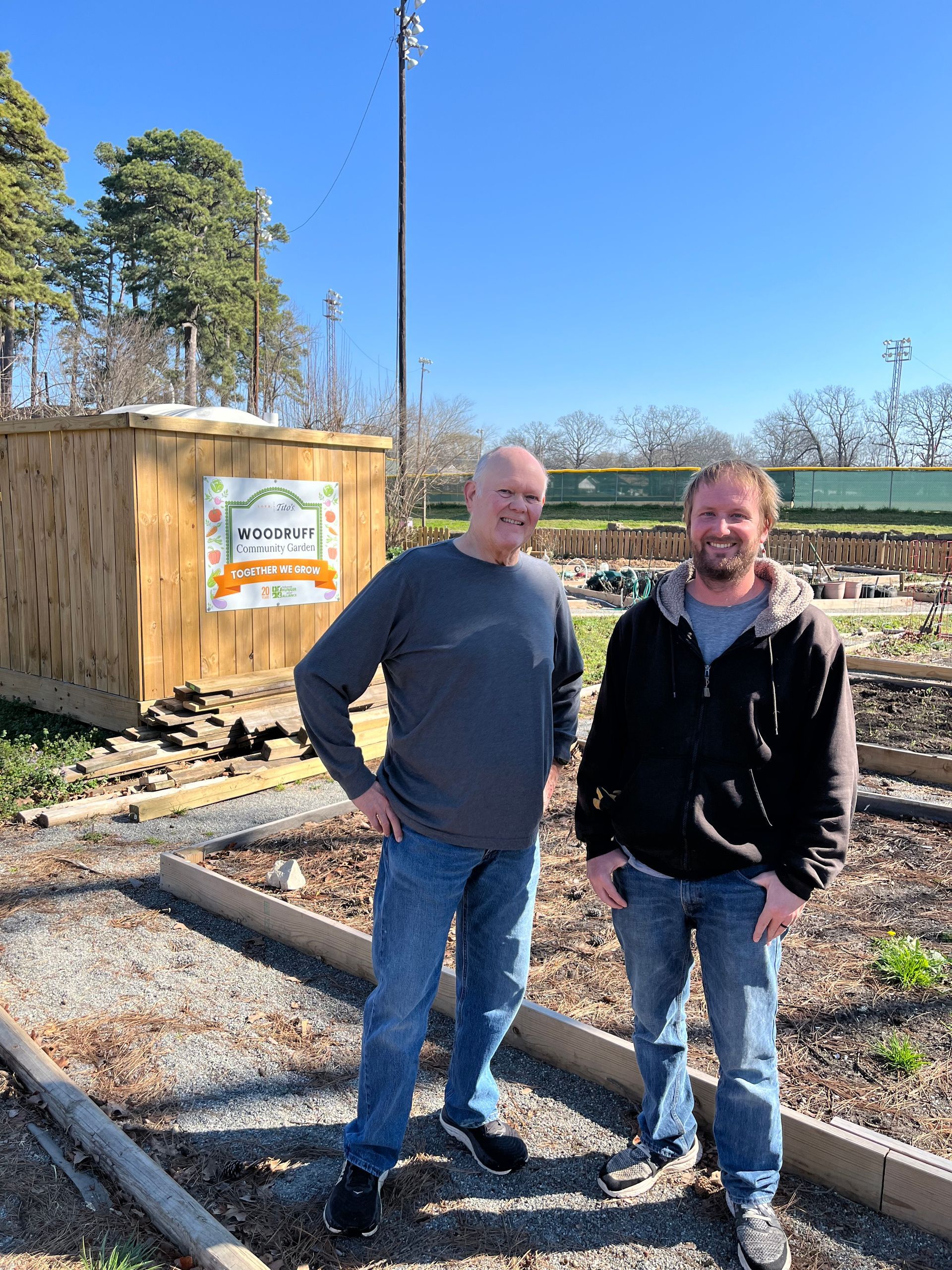
Garden911: A New Garden and Farm Assistance Service from Growing Urban Farmers
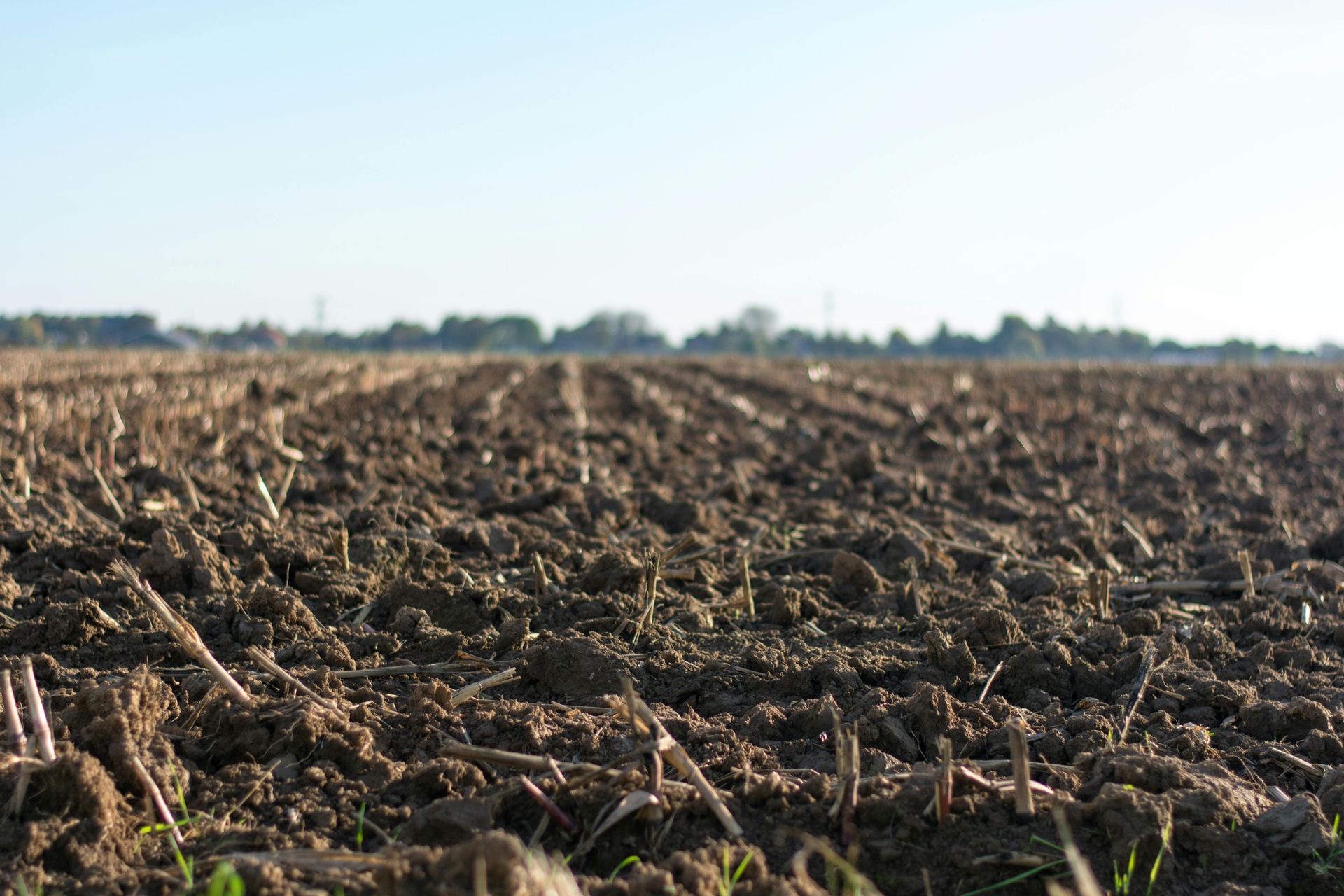
Soil Testing Field Day Follow-Up

In today’s digital age, having a website is often considered essential for businesses of all kinds. But does your farm really need one? The answer depends on your farm’s sales channels and goals. Whether you sell wholesale, at farmers’ markets, or directly to customers through a farm store, a website can be a valuable tool—or an unnecessary expense. Let’s explore when a website is beneficial and how it can help you grow your farm business. 1. Assessing Your Farm’s Sales Channels Before diving into the world of website design, it’s important to assess where and how you sell your products. • Wholesale Sales: If your primary sales channels are wholesale—selling in bulk to distributors, restaurants, or grocery stores—a website might be less critical. In this case, your relationships and the quality of your products often speak louder than an online presence. A basic site might still be useful for showcasing your farm, but it’s unlikely to be a significant driver of sales. • Farmers Markets, Farm Stores, and Direct Sales: On the other hand, if you’re selling at farmers markets, through a farm store, or directly to consumers, having a website can be a powerful tool. It helps you connect with customers, provide information about your products, and even enable online sales. 2. Benefits of Having a Website for Your Farm A website does more than just list your products; it serves as the digital face of your farm. Here are some key benefits: • Establishes Credibility: A well-designed website can help build trust with potential customers. It shows that you are a legitimate, professional operation. In an era where consumers are increasingly concerned about the origins of their food, having a website that details your farming practices can set you apart. • Showcasing Products and Practices: Your website is a great place to highlight what makes your farm unique—whether it’s your organic certification, heritage breeds, or sustainable practices. High-quality photos, videos, and detailed descriptions of your farm’s offerings can help tell your story and make your products more appealing. • Customer Engagement: A website allows you to share more about your farm’s story, post updates, and announce upcoming events like farm tours, workshops, or seasonal product releases. It keeps customers engaged and connected with your farm even when they’re not buying. 3. How a Website Can Help Grow Your Farm Business A website isn’t just a digital brochure; it’s a dynamic tool that can help you grow your farm business in several ways: • Improves Visibility and Accessibility: With more people turning to the internet to find local products, a website makes it easier for customers to discover your farm. Local SEO (search engine optimization) can help your farm appear in search results when people are looking for fresh produce, eggs, meat, or other farm goods in your area. • E-commerce Opportunities: If you’re ready to expand your sales, adding an online store to your website allows customers to purchase directly from you. Whether it’s farm-fresh eggs, honey, CSA shares, or even value-added products like jams or soaps, an e-commerce platform opens up a new revenue stream that goes beyond the limitations of your physical market presence. • Marketing and Promotions: A website lets you collect customer emails for newsletters, offer promotions, and advertise farm events. This direct line of communication keeps your farm top of mind and can drive repeat business. 4. Key Features to Include on Your Farm’s Website If you decide to build a website, including the right features is key to making it effective: • About Us Page: Share your farm’s story, including how you got started, your values, and what sets your products apart. This personal touch helps customers feel more connected to your farm. • Product Listings: Include high-quality photos and descriptions of your products. Detail when items are in season, pricing, and any special qualities (like organic or non-GMO). • Contact Information and Location: Make it easy for customers to find you, visit your farm, or contact you with questions. Include a map if your farm is open to visitors. • Order or Inquiry Forms: Provide simple ways for customers to place orders, reserve CSA shares, or ask questions about your products. • Blog or News Section: Keep customers engaged by sharing updates, seasonal recipes, farming tips, or insights into the daily life on the farm. Regular updates help keep your site fresh and give customers a reason to return. 5. When You Might Not Need a Website While a website can be beneficial, there are scenarios where it might not be necessary: • Stable Wholesale Accounts: If your business relies on established wholesale accounts and isn’t focused on expanding direct-to-consumer sales, the return on investment for a website may be low. • Limited Time or Resources: Maintaining a website requires time, effort, and sometimes financial investment. If you’re already stretched thin managing farm operations, a website might become more of a burden than a benefit. 6. Alternatives to a Full Website If you’re not ready for a full website, there are still ways to maintain an online presence: • Social Media Presence: Platforms like Facebook and Instagram allow you to connect with customers, share updates, and even sell products without the need for a dedicated website. It’s a great starting point for farms on a tight budget. • Online Directories and Listings: Listing your farm on local food networks, farm directories, or market websites can help improve your visibility without the commitment of a website. Conclusion Whether your farm needs a website depends on your sales model and long-term goals. For many farms, especially those engaging directly with consumers, a website can be a valuable tool that helps build relationships, increase sales, and showcase what makes your farm special. But if your business is thriving without one, or if the resources required seem daunting, consider simpler alternatives like social media or online listings. Ultimately, your decision should align with your farm’s unique needs and growth objectives. Ready to grow your farm’s online presence? Reach out to growingurbanfarmers.org for more tips and resources on creating a farm website that works for you!

Agritourism is an excellent way for small farms to diversify and supplement their income.
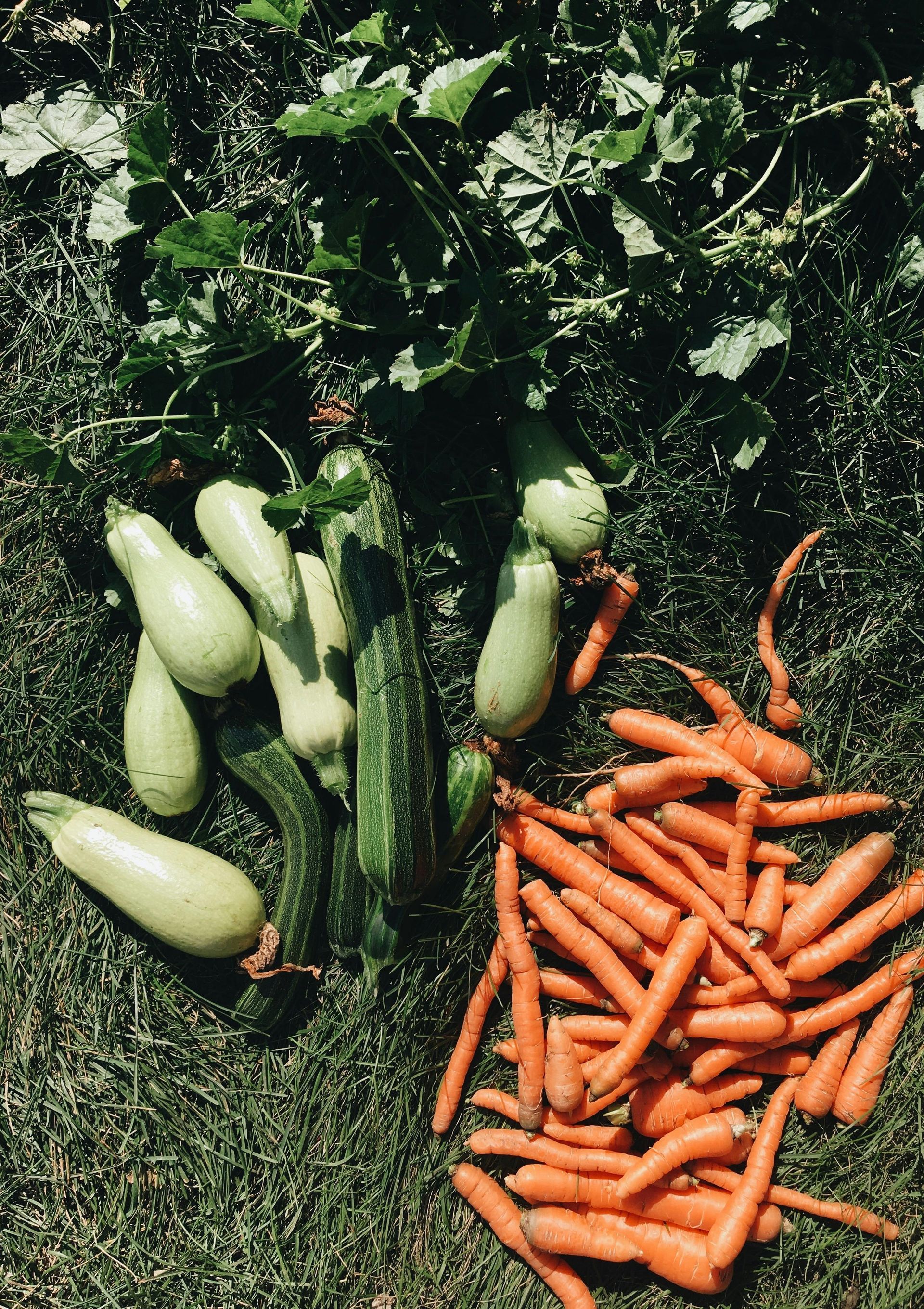
Crop Planning Effective crop planning is essential to optimize yield, sustain soil health, and meet market demands. This guide covers the fundamentals of crop planning, including goal setting, crop selection, scheduling, and resource recommendations. 1. Define Goals and Market Strategy Defining clear goals—whether aimed at market consistency, CSA production, or specialty crops—helps guide planting and resource allocation. For farmers focused on market-driven production, crop selection should align with both seasonal market trends and local demand. Talk to your customers and research prices on-line to find crops with high demand and high returns. Resource : Access USDA’s Specialty CropMarketReports and Local Market Reports for updated information on specialty crops and regional food trends. 2. Choosing the Right Crops Selecting the right crops involves assessing compatibility with climate, soil, and market needs. Start by examining local climate data and performing a soil test to ensure crops are well-suited to the environment. Resources : University of Arkansas Extension’s Vegetable Crop Guide provides in-depth guidance on suitable crops for Arkansas’ unique climate and soils: Horticulture Vegetable Crops . Johnny’s Selected Seeds Growing Center offers a crop selection tool, seed-starting calculators, and resources for crop-specific growth stages and climate considerations: Growing Center . 3. Create a Crop Rotation Plan Effective crop rotation helps manage soil fertility, reduce pest cycles, and improve overall crop yields. Rotation should alternate crop families, nutrient needs, and root depths. Rotation Examples : Alternate nitrogen-demanding crops, such as tomatoes, with legumes like beans to replenish soil nitrogen. Recordkeeping : Maintain a log of crop placement each year to avoid replanting similar crops in the same location within a three-year cycle. Resource : For guidance on organic crop rotation practices, refer to the Organic Resource Manual from the University of Arkansas Extension. 4. Develop a Planting Schedule A planting schedule based on climate and crop maturity ensures that harvests align with market demands. Adjust your schedule for staggered plantings to create a steady harvest season. Spring/Summer Planting Dates : Use University of Arkansas Spring/Summer Planting Dates to establish planting timelines for crops like tomatoes, beans, and corn. Fall Planting Dates : Consult Fall Planting Dates to extend your season with fall-harvested vegetables like leafy greens and root crops. Resource : Johnny’s Selected Seeds provides an interactive Planting Schedule Calculator to help you plan ideal planting dates for each crop. 5. Calculate Seed and Transplant Needs Proper seed and transplant planning can prevent over planting or shortages during critical seasons. Calculate the exact number of seeds and transplants required based on crop type, field area, and expected yields. Direct Seeding : Use Johnny’s Direct Seeding Quantity & Yield Chart for guidance on direct-seeded crops like carrots and radishes. Transplanting : Johnny’s Transplanted Crop Quantity & Yield Chart offers seeding rates and yield estimates for transplants, including tomatoes, peppers, and broccoli. 6. Budgeting and Financial Planning Budgeting allows farmers to track costs, estimate yields, and analyze the profitability of each crop. Track inputs such as seeds, fertilizers, labor, and water to determine each crop’s financial viability. Inputs : Document expenses for seeds, fertilizers, labor, irrigation, and other inputs. Revenue Analysis : Track yields and market prices to calculate profitability for each crop. 7. Monitor and Adjust Throughout the Season Crop planning is not static; monitor crop health, market changes, and weather patterns throughout the season to make necessary adjustments. Flexibility improves resilience and profitability. Conclusion Crop planning combines careful crop selection, scheduling, and financial oversight to maximize yields and efficiency. Resources from the University of Arkansas Extension , Johnny’s Selected Seeds , and Growing Urban Farmers support farmers with tools to refine their practices each season. By implementing these practices, farmers can create a resilient, profitable operation that meets market demands and promotes sustainability.
What is USDA-NRCS? The USDA Natural Resources Conservation Service (NRCS) is a critical resource for farmers and landowners seeking to implement sustainable agricultural practices and improve land stewardship. Through various programs, NRCS offers technical expertise, financial assistance, and support to address conservation challenges such as soil erosion, water management, habitat preservation, and climate resilience. How does a farmer get started with NRCS? To begin, farmers should connect with their local NRCS office. The process typically involves: 1. Initial Consultation: Meet with an NRCS conservation planner to discuss your farm's specific needs and challenges. They will help you identify conservation goals, such as improving soil health, managing water resources, or creating wildlife habitats. 2. Conservation Planning: The NRCS team will work with you to develop a customized conservation plan that outlines the best practices and strategies to achieve your objectives. This plan serves as a roadmap to guide the implementation of conservation activities on your land. 3. Application for Programs: Based on your conservation plan, you can apply for various NRCS programs that provide both technical and financial assistance. These programs are designed to support a wide range of conservation practices tailored to different types of farms and land management goals. What are the key NRCS programs for farmers? 1. Environmental Quality Incentives Program (EQIP): EQIP provides financial and technical assistance to help farmers implement conservation practices that address natural resource concerns. It covers a broad spectrum of activities, from soil health improvements and nutrient management to water conservation and wildlife habitat enhancement. EQIP participants can receive funding to offset the costs of implementing these practices. 2. Conservation Stewardship Program (CSP): CSP rewards farmers who are already implementing good conservation practices and want to improve further. The program offers payments for maintaining existing practices and introducing new ones that enhance sustainability and environmental benefits. It is ideal for farmers seeking long-term stewardship of their resources. 3. Agricultural Conservation Easement Program (ACEP): ACEP provides financial support for farmers to protect, restore, and enhance wetlands, grasslands, and other agricultural lands through conservation easements. It is particularly useful for farmers who wish to protect their land from development or to preserve wildlife habitats and open spaces. 4. Regional Conservation Partnership Program (RCPP): RCPP encourages partnerships between NRCS, farmers, local organizations, and other stakeholders to solve regional conservation challenges. It allows farmers to participate in larger-scale conservation projects that address critical natural resource issues on a regional or watershed basis. 5. Emergency Watershed Protection Program (EWP): This program helps farmers recover from natural disasters, such as floods or droughts, by providing technical and financial assistance to restore damaged lands and prevent further environmental degradation. Why use NRCS programs? By partnering with NRCS, farmers can achieve several benefits: - Financial Support: Reduce the cost of implementing conservation practices through grants and cost-sharing. - Expert Guidance: Access to technical expertise and resources for effective conservation planning and implementation. - Environmental Stewardship: Contribute to the health of the environment by improving soil, water, and wildlife habitats. - Enhanced Farm Resilience: Build resilience against climate change, extreme weather events, and other agricultural challenges. What is the next step? Farmers interested in NRCS programs should contact their local NRCS office or visit the NRCS website to learn more. The local office can provide details on available programs, eligibility criteria, and application deadlines. By taking advantage of NRCS services, farmers can enhance the sustainability and profitability of their operations while contributing to the conservation of natural resources for future generations. Conclusion Using USDA NRCS services is an invaluable step for farmers looking to adopt sustainable practices, reduce costs, and enhance farm productivity. By leveraging the support offered by NRCS, farmers can make meaningful strides toward long-term conservation goals while ensuring the viability of their land and resources. Whether you are just starting or looking to expand your conservation efforts, the NRCS has a program that can help you achieve your objectives.